
Archive article: This is an English translation of the source article dated 2020. Prices, promotions, statistics and specifications reflect the source period. Please contact us for a current quotation.
What Are the Different Types of Bricks?
Brick has always been, and will remain, part of the landscape and our heritage. Valued for its thermal and moisture-regulating properties, brick suits every architectural style thanks to the variety of colors and shapes available.
What Are the Different Types of Bricks?
Brick has always been, and will remain, part of the landscape and our heritage. Valued for its thermal and moisture-regulating properties, brick suits every architectural style thanks to the variety of colors and shapes available. A brick wall can be built using different types of bricks. Numerous models exist, each serving a specific purpose.
The Different Types of Bricks
Red Brick
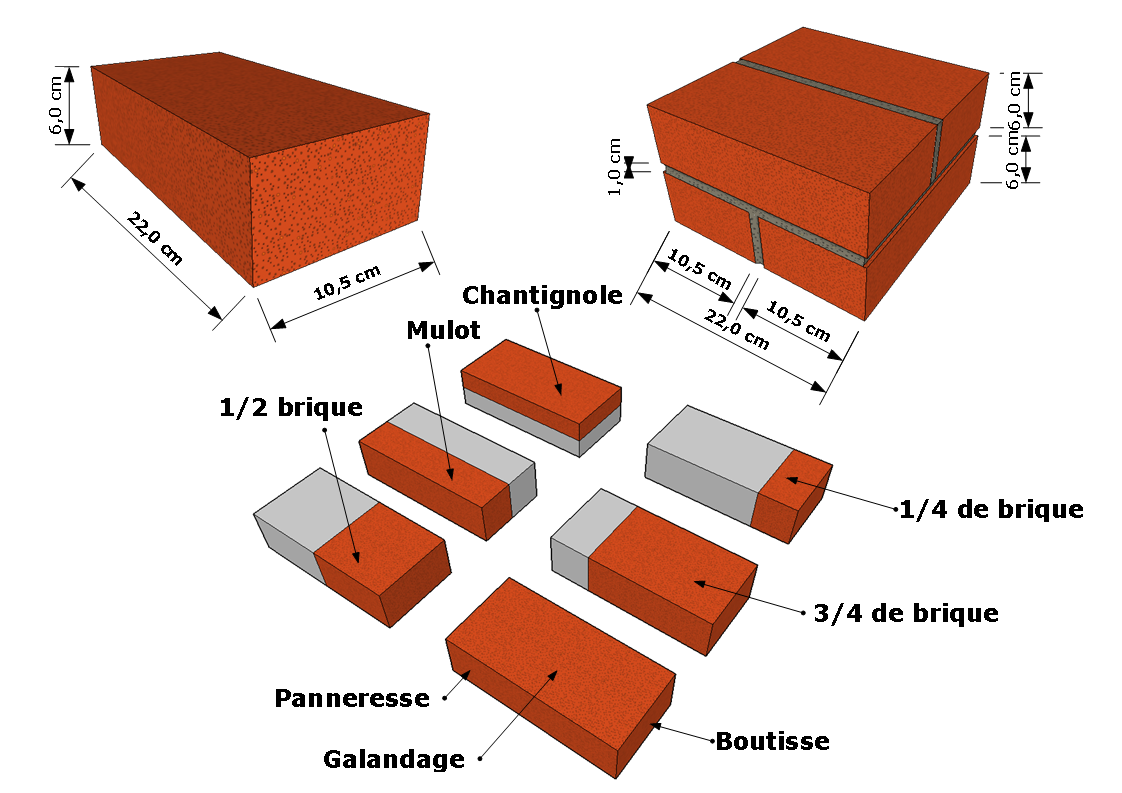
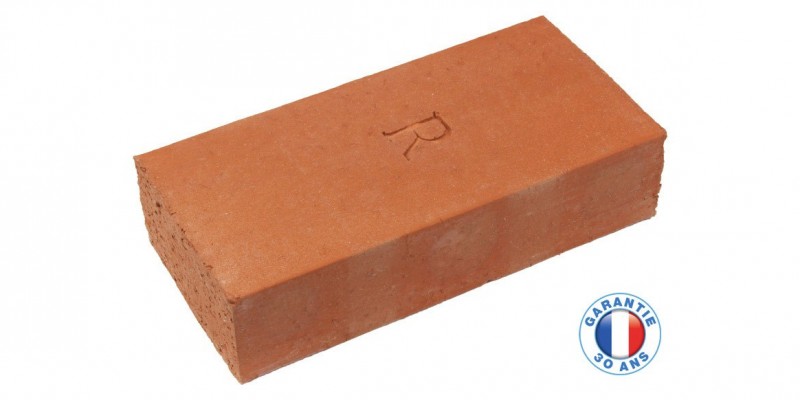
Red brick, also called solid brick, is widely used in house construction.
This fired-clay material is made from red and green clay mixed with a little sand, dried and then fired in a kiln at 1,200°C.
Thanks to its insulating properties, red brick releases heat accumulated during the day, while its porosity allows the wall to breathe. This natural, recyclable material is also valued for its strength and durability. Brick sizes and appearance vary according to the region where they are manufactured.
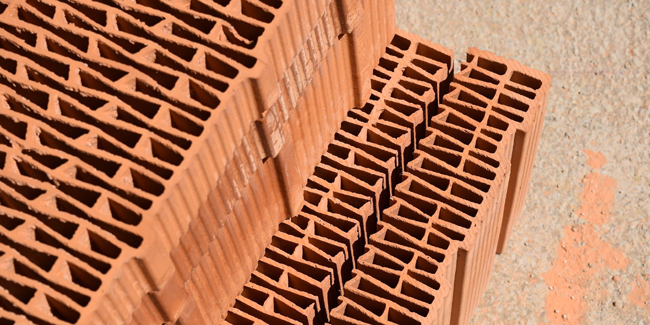
Hollow Brick
Hollow brick is undoubtedly the most common type, named for its horizontal perforations, or vertical ones in some cases. Very strong yet relatively light, it can be used for internal and external walls, whether load-bearing or not. Cellular hollow brick offers particularly good thermal insulation. Hollow brick is often preferred to solid brick, whose weight requires strong foundations.
Facing Brick
Facing brick, also called facade brick, is mainly used outdoors for its decorative effect. Made from fired clay or reconstituted materials, it is fairly thick. Two main categories can be distinguished: molded and pressed. Pressed facing bricks are ideal for an authentic appearance, while molded facing bricks give a contemporary touch.
Refractory Brick
Refractory brick is mainly used to build ovens and fireplaces because it withstands high temperatures of up to 1,700 degrees. It is a highly insulating material that retains heat and releases it later. Its excellent thermal inertia means it heats up and cools down slowly. Because of its higher cost, it is rarely used for wall construction.
Glass Brick
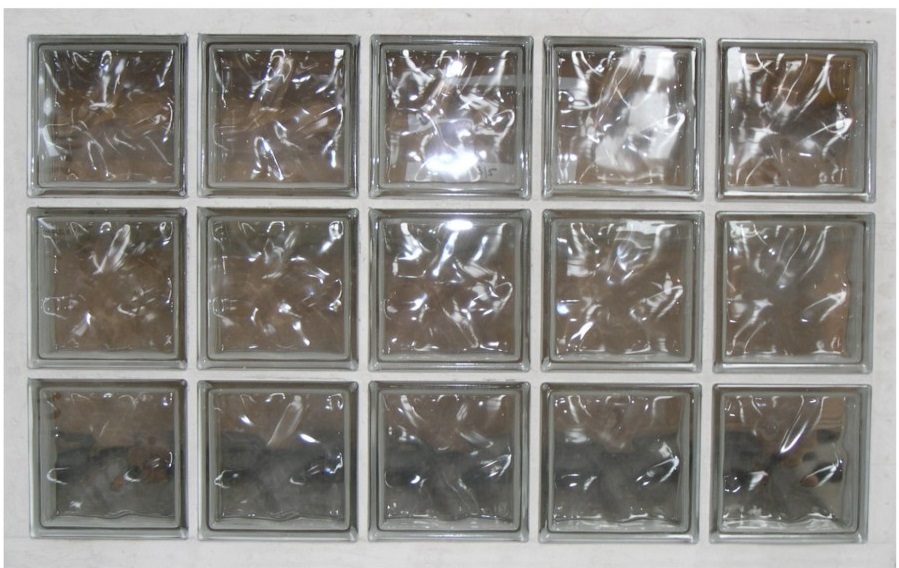
Glass brick
Glass brick appeals through its originality and customization options. Available in many sizes and shapes, it can form partitions in any room of the home. Decorative and practical, a glass-brick partition preserves privacy and creates distinctive spaces in many colors and finishes. Satin, translucent, opaque or textured versions suit every taste and interior style. Beyond its distinctive design, glass brick provides excellent acoustic and thermal insulation, good fire resistance and resistance to forced entry. Whether in a bathroom, kitchen or living room, a glass-brick partition blends easily with the existing atmosphere.
As you have seen, bricks suit many uses. For successful installation, it is essential to entrust the work to an experienced professional.
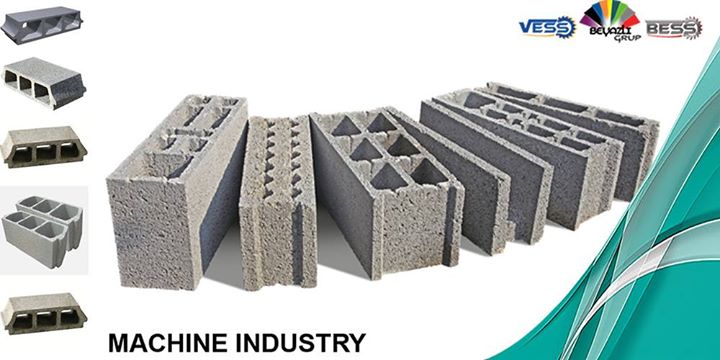
As Beyazli Group, a brick machine manufacturer, we manufacture machines capable of producing most of the bricks described above. For further details, contact us at the address below or complete the form.
Source: Guide Artisan
For further details, complete the contact form below or contact us on WhatsApp at +90 549 325 66 60.

Formulaire de Contact Machine de fabrication d’hourdis
Share a question, add your experience, or continue the discussion about this topic.