
Archive article: This is an English translation of the source article dated 2022. Prices, promotions, statistics and specifications reflect the source period. Please contact us for a current quotation.
A concrete brick is a rectangular building unit. In the past, bricks were made from clay, mud or other materials; today they are also made from cement-based materials. Concrete bricks are strong, hard and resistant to fire and damage caused by changing weather conditions. They are used in structures such as homes, commercial and public buildings, fireplaces and ovens. Concrete bricks have been used as building materials for thousands of years. Initially, there were no concrete brick making machines: people made bricks by drying lumps of clay or mud, shaping them by hand or in molds before placing them in the sun. Today, bricks are manufactured mechanically using concrete brick making machines.
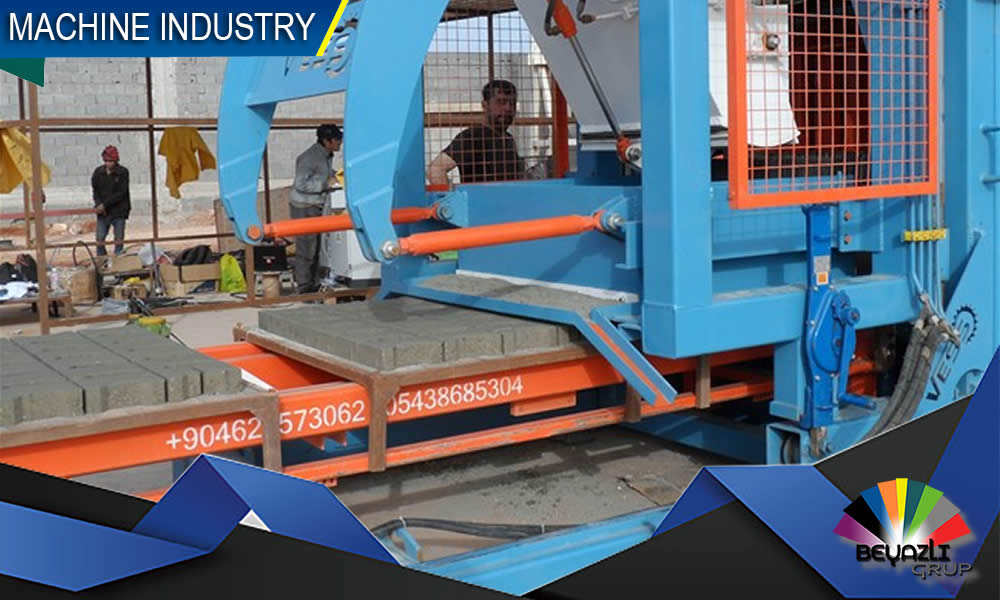
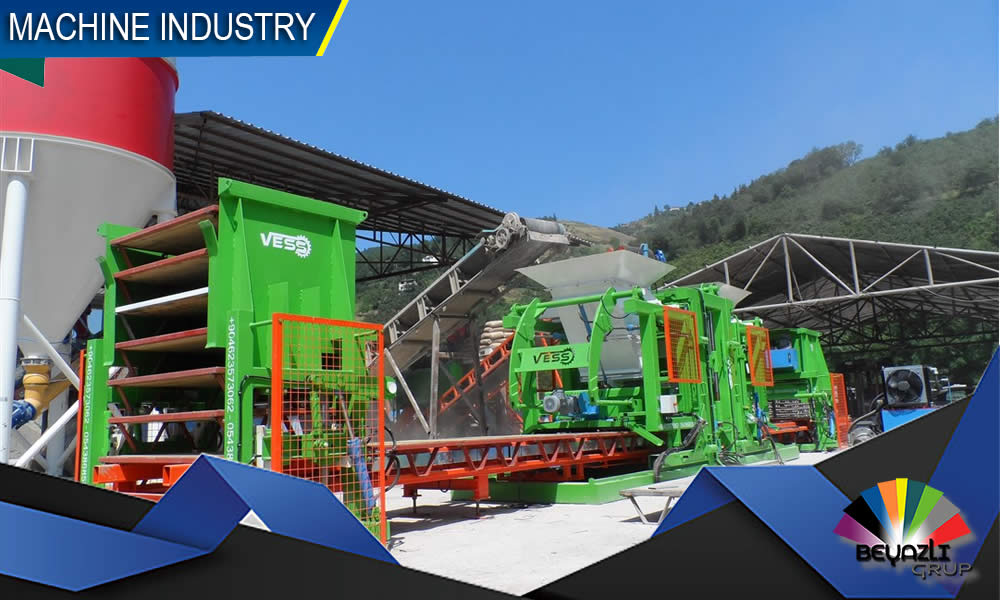
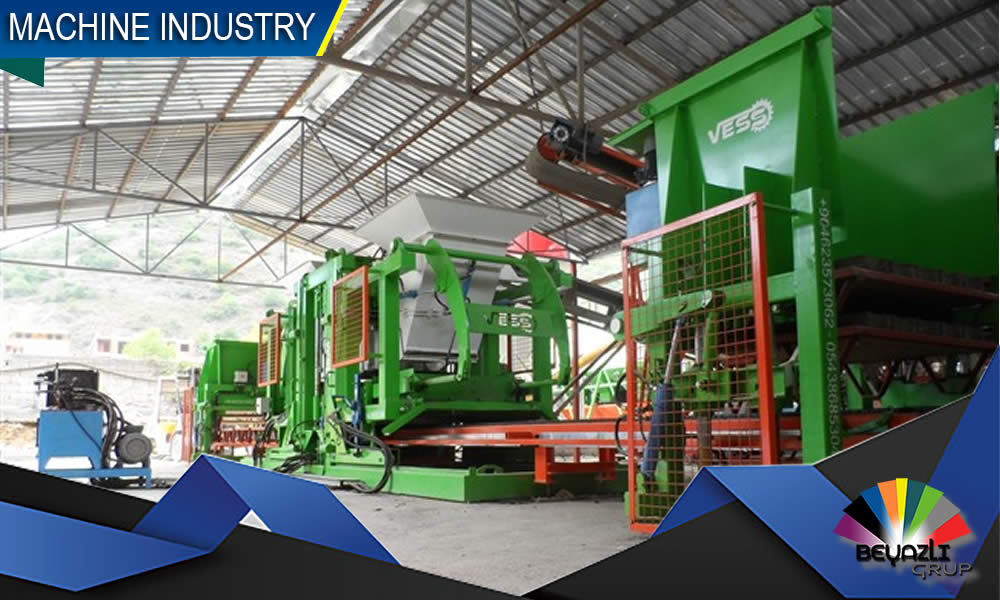
A concrete brick is a rectangular building unit. In the past, such units were made from clay, mud or other materials; today they are made from cement-based materials. Concrete bricks are strong and solid, resisting fire and damage from changing weather conditions. They are used in houses, commercial and public buildings, fireplaces and ovens. They have been used as building materials for thousands of years. Before brick making machines existed, people shaped clay or mud by hand or in molds and dried it in the sun. Today, bricks are produced mechanically using concrete brick machines designed as a complete concrete block plant, including a raw material hopper, conveyors, mixer, block machine, molds made in requested sizes and shapes, and pallet-stacking robots.
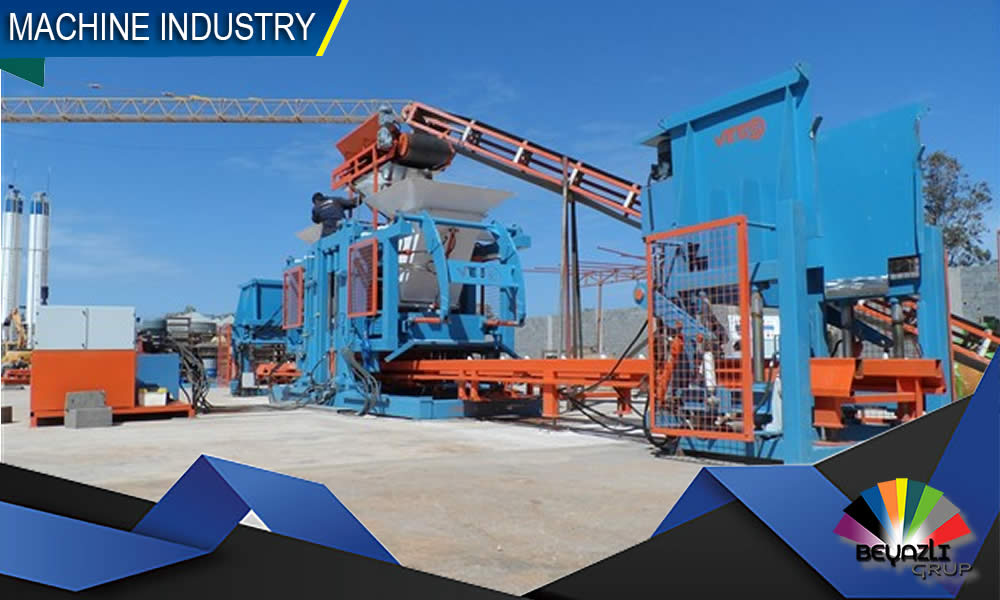
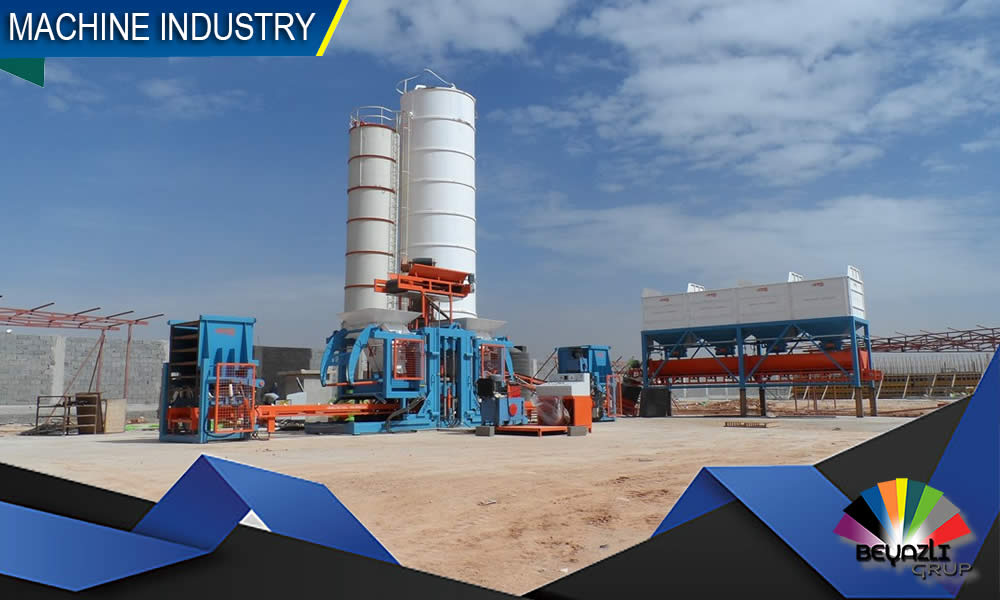
Manufacturing concrete brick making machines
This video shows the operation of a complete concrete brick and paving block plant with all its equipment.
Concrete Brick Production Project
Concrete brick manufacturing is currently a successful and profitable business because of growing demand and the ease of production using a concrete brick making machine. Concrete bricks, known as blocks in some regions, are produced automatically without a large workforce. These plants have conveyors that carry raw materials from the hopper to the mixer. Another conveyor then transfers the mixture to the machine, where blocks are pressed using a dedicated mold manufactured to the required shape and size. Concrete brick making machines come in several operating types. Beyazli Group manufactures three types of complete plants under the VESS brand:
| Control | Number of workers | Machine |
| One mixer operator, one machine operator, two forklift drivers and one packaging worker. | 5 |
– Automatic |
| One person to control the mixer, one to control the machine and two forklift drivers. | 4 |
– Fully Automatic |
| One person to control the mixer, one to control the machine and one forklift driver. | 3 |
– FİNGER CAR with an electronically controlled forklift |

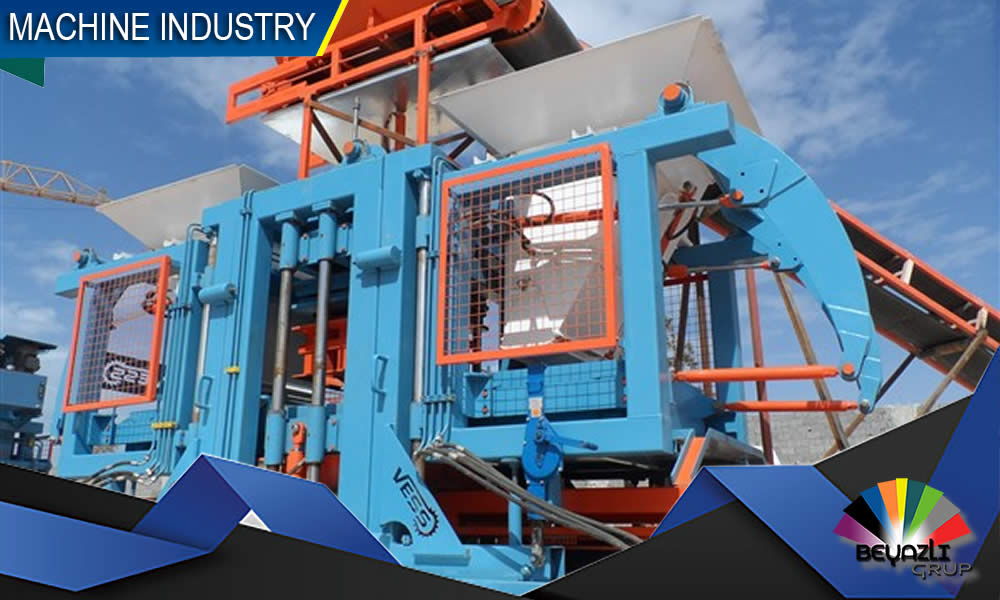
Types of Concrete Bricks
Concrete bricks are manufactured by mixing cement, sand, gravel and water in specified proportions. The mixture is sent to the concrete brick making machine for pressing, but the required mold and brick dimensions must first be selected. The company’s machines can press every type of brick in different sizes, including solid and hollow bricks. Other models and sizes can also be produced according to the customer’s mold selection. Customers can specify the desired length, width and height, and the company will manufacture the mold accordingly. Our concrete brick making machine can also produce hollow floor blocks and insulating blocks, as well as paving blocks and curbstones in various shapes and sizes, simply by changing the mold.
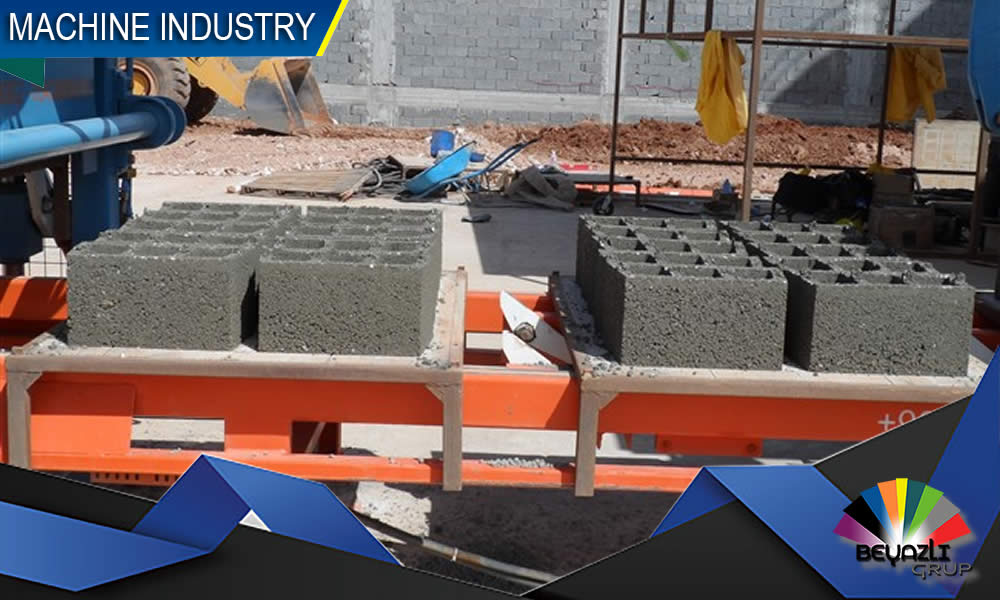
Cost of a concrete brick making machine
The price of a concrete brick making machine depends on whether it is automatic or fully automatic and on its production capacity: higher output increases the plant price. Price also varies with the equipment included, since customers can add or remove any item. The selected equipment therefore determines the price. The final agreed price includes a two-year warranty, plant installation, worker training and operating certificates. The company provides five years of after-sales service and free guidance on preparing the project site.

Share a question, add your experience, or continue the discussion about this topic.