
Archive article: This is an English translation of the source article dated 2020. Prices, promotions, statistics and specifications reflect the source period. Please contact us for a current quotation.
Ready-mix concrete is a concrete mixture manufactured in a batching plant and then transported to the construction site in dedicated vehicles. Made from cement, water, sand and gravel, it is one of the most important modern building materials.
Ready-mix concrete is a concrete mixture manufactured in a batching plant and then transported to the construction site in dedicated concrete transport vehicles. The mixture consists of cement, water, sand and gravel and is one of the most important modern building materials. The idea of establishing a ready-mix concrete plant arises from progress and development in all sectors, including construction, across countries. Numerous ongoing construction projects require ready-mix concrete, creating growing demand and encouraging the spread of these businesses.
Ready-Mix Concrete Plant
A ready-mix concrete plant is a facility where concrete is prepared before being transported to the construction site. It uses specified ingredients such as cement, sand, gravel and water, with other additives included according to the project’s needs and requirements.
Main advantages of using ready-mix concrete
Quality: concrete is manufactured under closely monitored and controlled conditions, ensuring higher quality than concrete prepared on site.
Efficiency: large quantities of concrete can be prepared quickly, saving time and effort at the construction site.
Cost: In some cases, ready-mix concrete may be more economical for large projects.
Sustainability: recycled materials can be used to prepare ready-mix concrete, reducing construction’s environmental impact.
After the concrete is prepared at the plant, dedicated trucks transport it to the construction site. It is poured into the appropriate locations, shaped and left to set and harden before serving its various construction purposes.
Mixing ready-mix concrete
The proportions of sand, water, cement and gravel in a concrete mixture are selected according to the intended work and the available materials. Mixing these ingredients produces a cohesive material called concrete, which gradually hardens until it becomes strong and solid. Its strength varies with the mixing method and basic ingredients. Ready-mix concrete prepared in a dedicated plant is recommended because an electronic control panel precisely regulates the mixture’s components, producing a stronger mixture with faster operation and higher output. Concrete made manually on site is less resistant because the mix proportions are not followed accurately. Ready-mix concrete is sold by the square meter.
 |
 |
Components of a ready-mix concrete plant
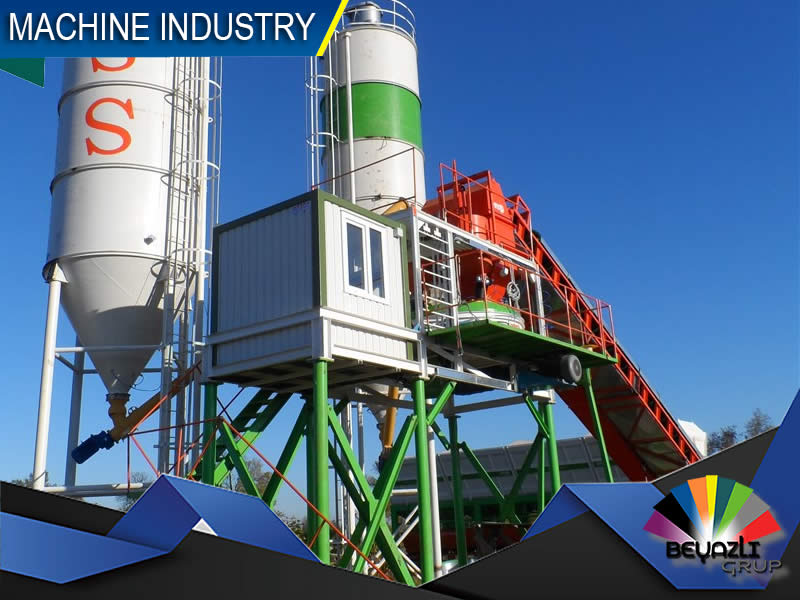
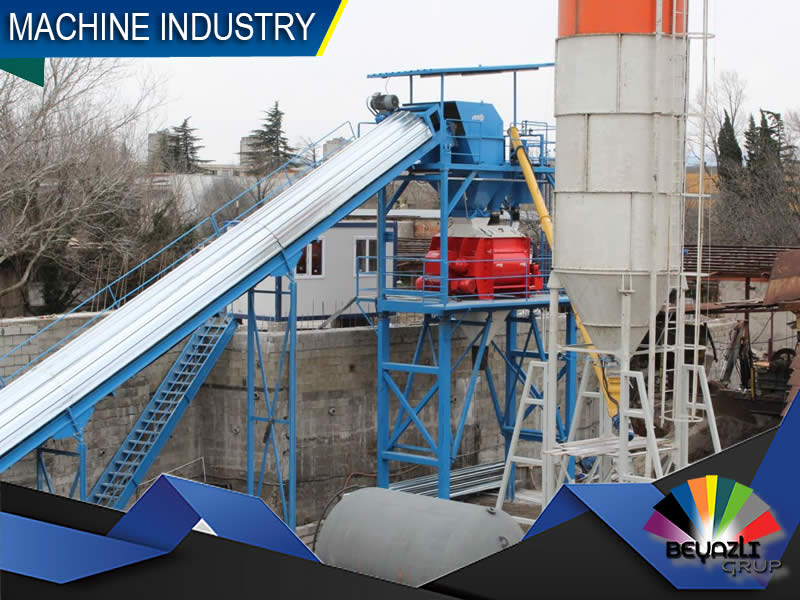
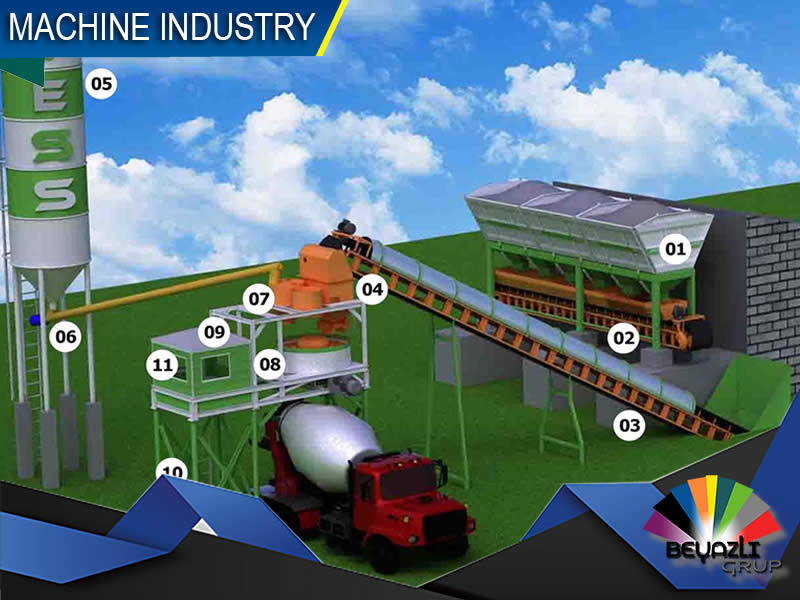
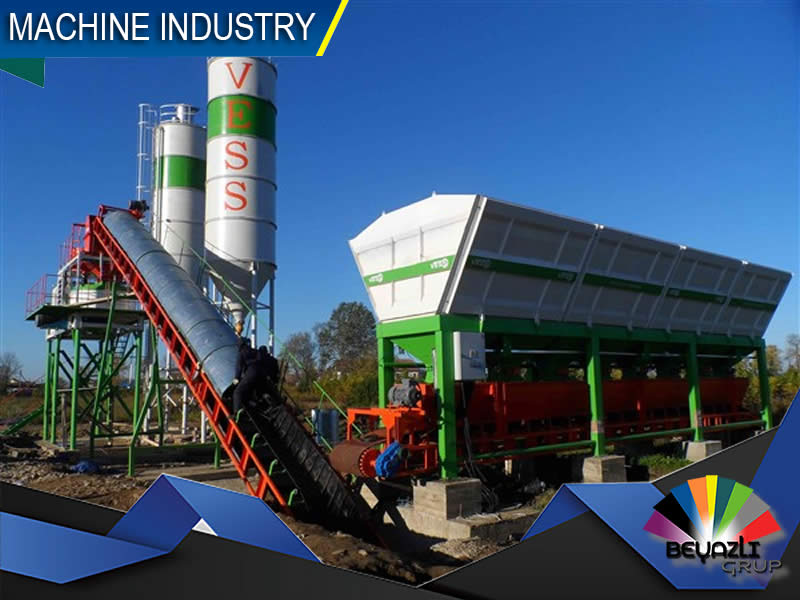
Beyazli Group manufactures ready-mix concrete plants with capacities from 30 to 120 cubic meters per hour. Electronic components are German, while the remaining components are manufactured at the factory in Trabzon, Turkey, to international standards and specifications. The ready-mix concrete plant is operated electronically and fully automatically through a touchscreen control panel. The operator uses the screen to select specifications, recipes and dosing operations, start production, identify faults and operate the plant. The following image shows some of this equipment:
 |
 |
Ready-mix concrete plant equipment
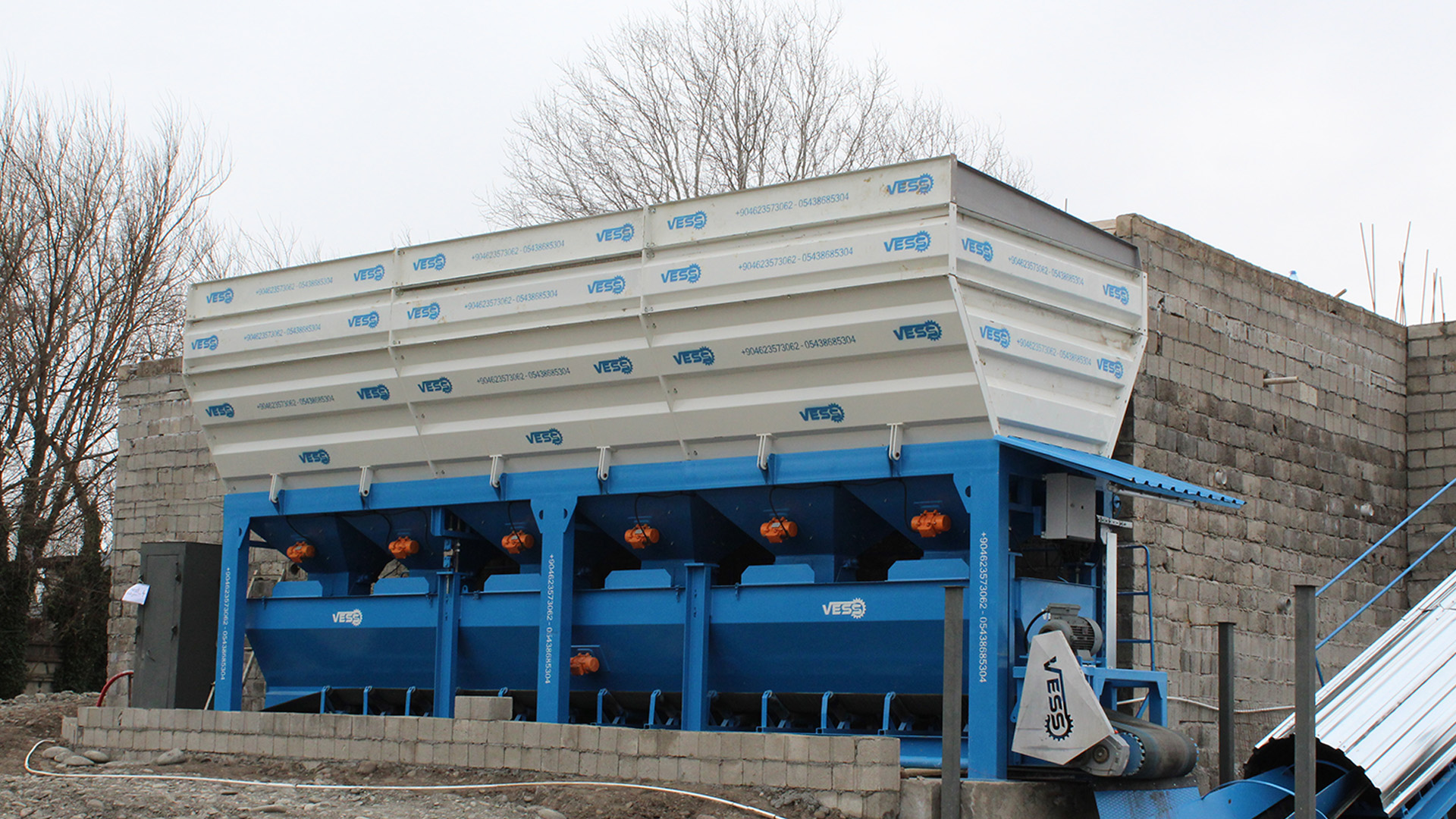
- Raw material hopper containing ingredients such as sand and stone.
- The conveyor beneath the hopper electronically weighs the materials discharged from it.
- Conveyor belt carrying raw materials to the mixer.
- Holding hopper that keeps weighed raw materials in reserve.
- Cement silo for storing the cement needed for the mixture. It is designed to be dismantled and assembled with bolts to simplify shipping.
- A pipe transports cement from the silo to the cement weighing hopper.
- Weighing system consisting of a cement weighing bucket, an additive tank and a water tank. These materials are weighed and sent to the mixer.
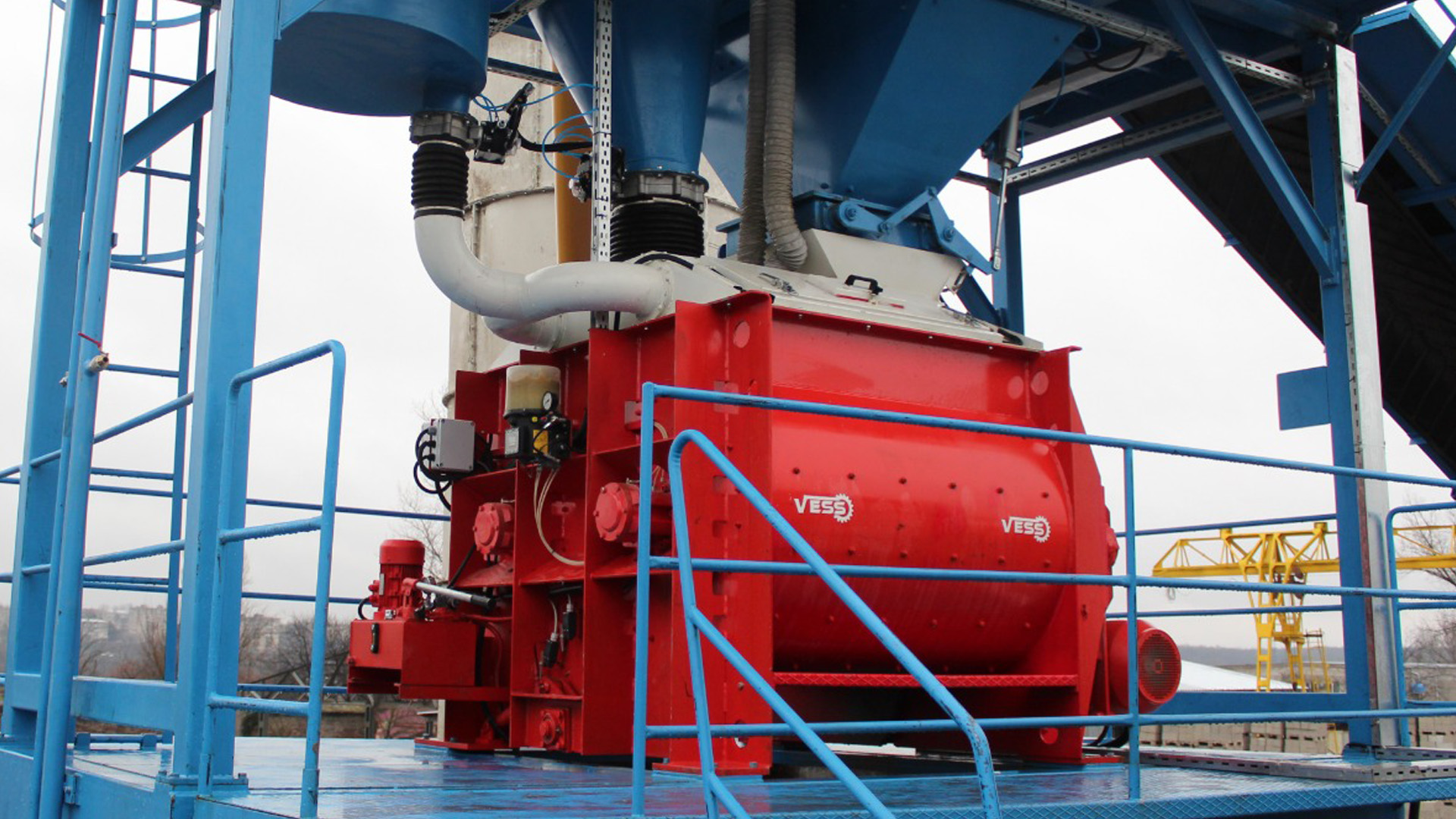
- A dedicated plant mixer combines the raw materials into a homogeneous mix.
- The operator’s control room contains all control panels.
- Mixer mounting platform supporting the mixer and control room.
- Electronic control panel: the plant’s control center, used to operate the ready-mix concrete plant equipment.
- Compressor providing the air pressure required by the plant.
- The following table shows the characteristics of equipment for concrete plants with different production capacities:
»» Concrete batching plant equipment «« |
|||||
| VESS | 30 m³/hour | 45 m³/hour | 60 m³/hour | 100 m³/hour | 120 m³/hour |
| Mixer | 0.5 m³ | 0.7 m³ | 1 m³ | 2 m³ | 2.2 m³ |
| Cement silo | 1×50 tonnes | 1×60 tons | 2 × 60 tonnes | 3×80 tonnes | 4×80 tons |
| Raw material hopper | 3×8 m³ | 3 × 10 m³ | 4×20 m³ | 4×25 m³ | 5 × 25 m³ |
| Installation area | 1250 m² | 1250 m² | 1,500 m² | 1,750 m² | 2000 m² |
 |
 |
Concrete plant cost
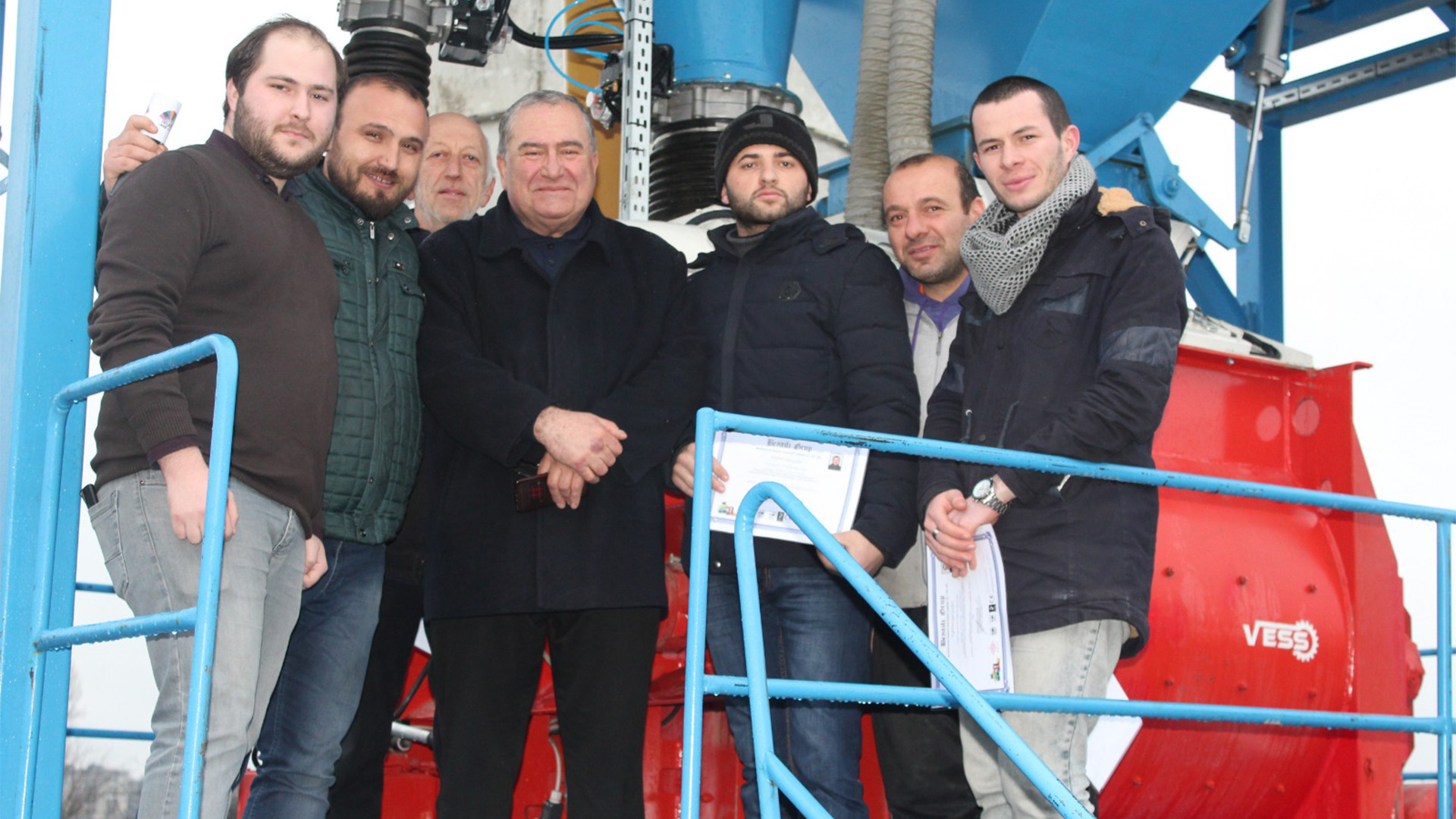
Ready-mix plant prices vary with production capacity: higher capacity means a higher cost. Equipment also affects the price, since customers may choose items and add or remove them as desired. The price is therefore based on the selected equipment. Once the company and customer agree on the plant type, it is manufactured precisely and to high quality. The installation team then installs it free of charge at the designated ready-mix concrete plant site, trains workers and provides operator certificates free of charge. The company offers a two-year warranty against manufacturing defects and five years of after-sales service.
 |
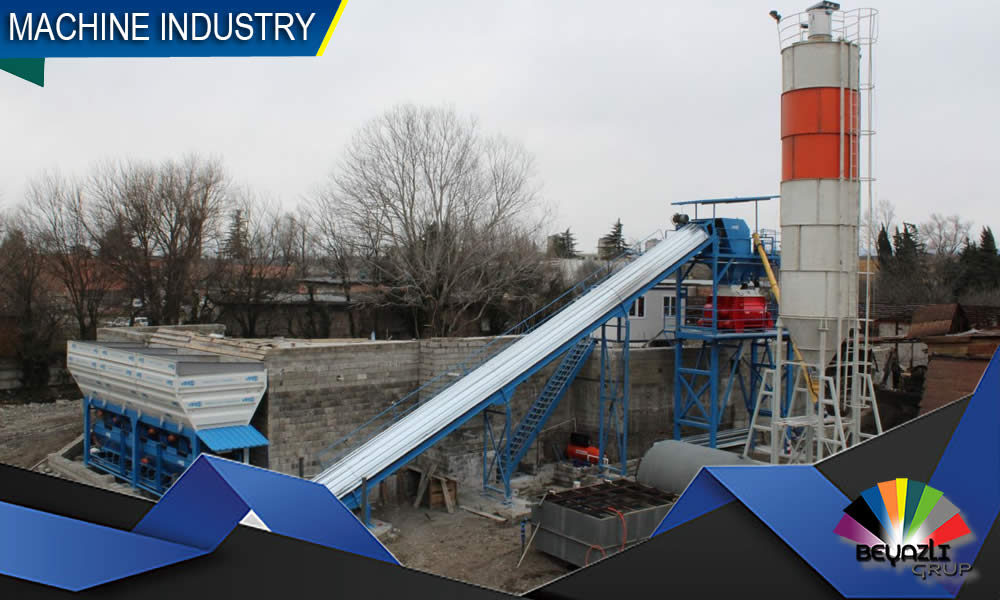 |
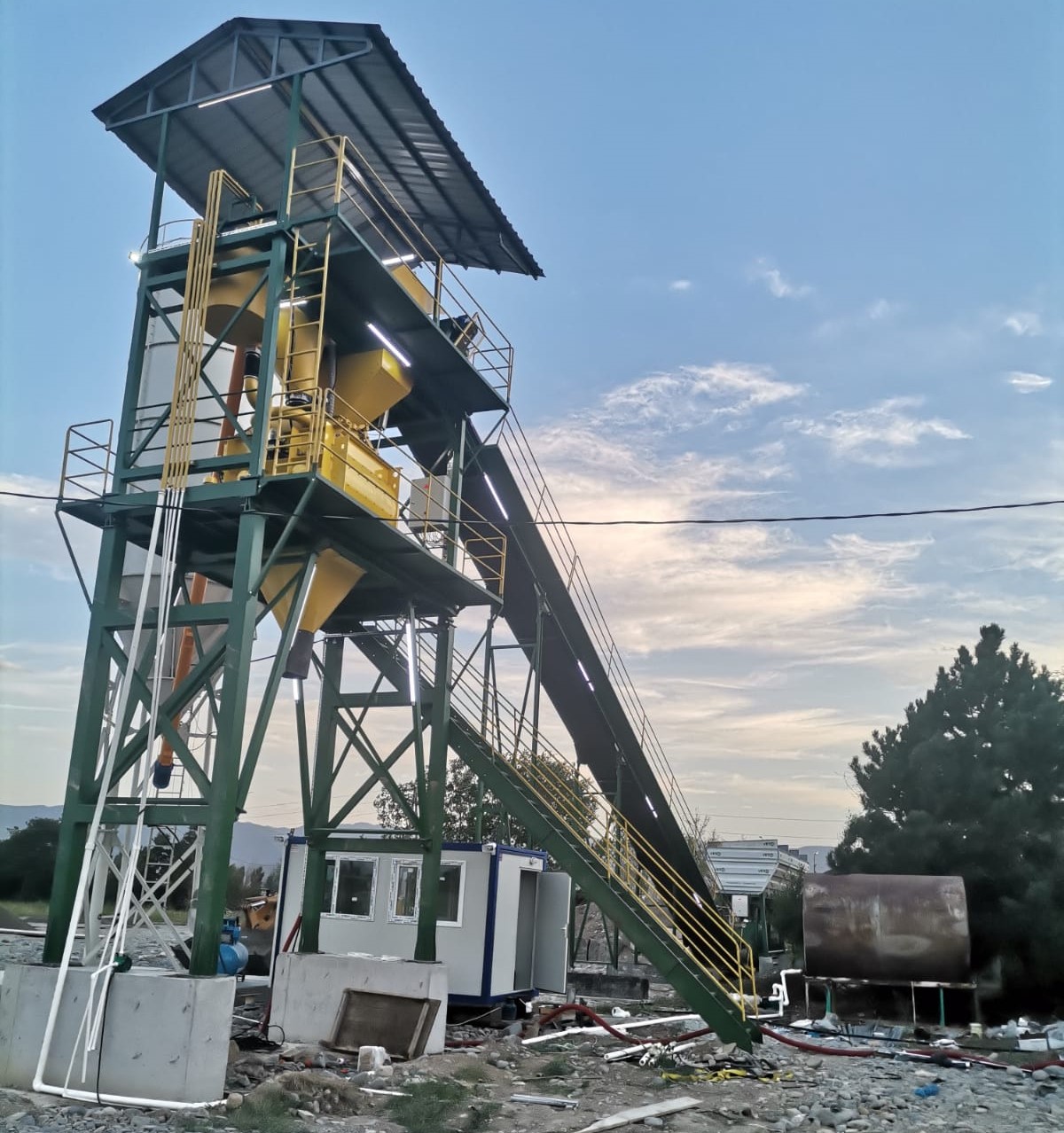
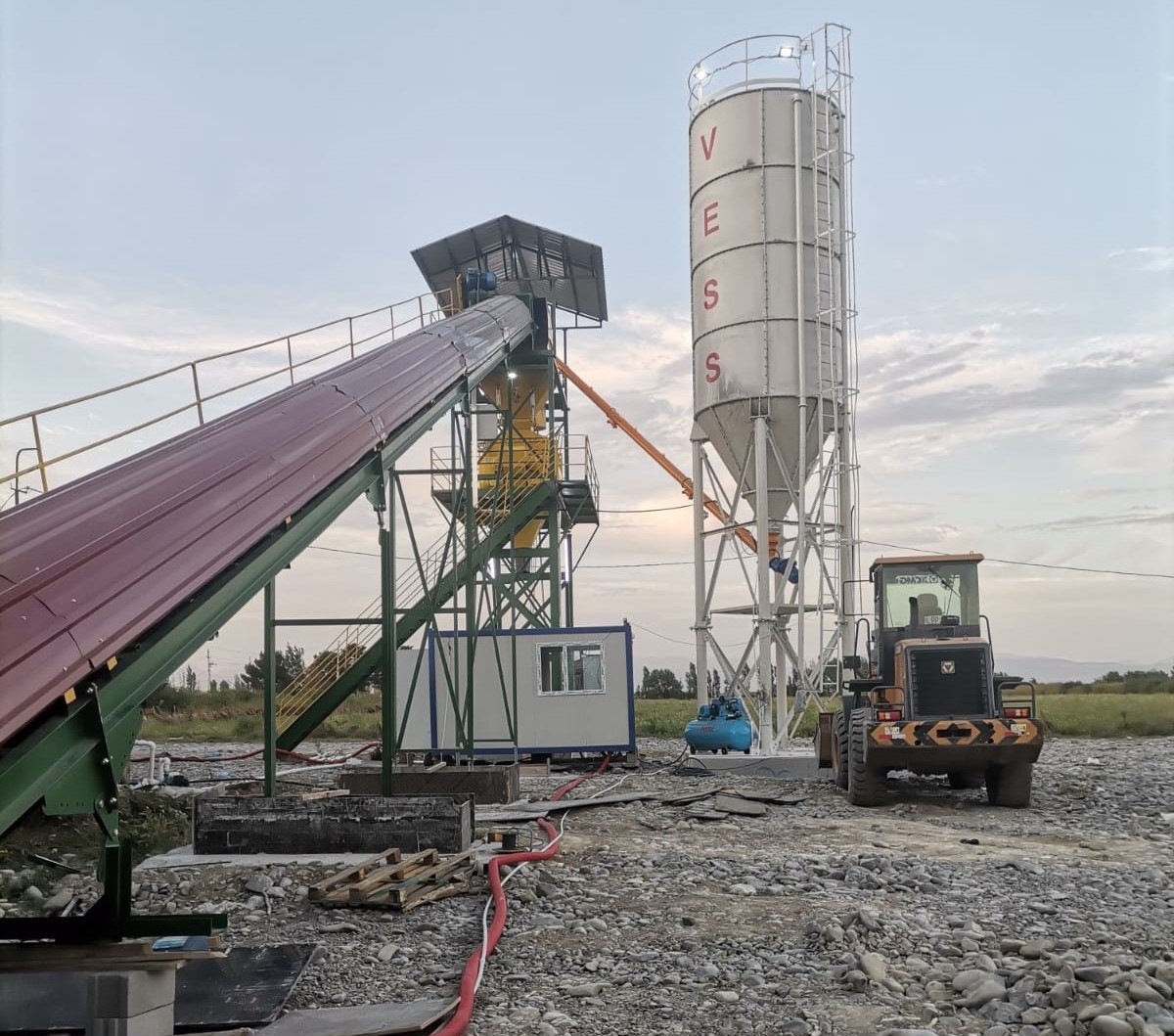
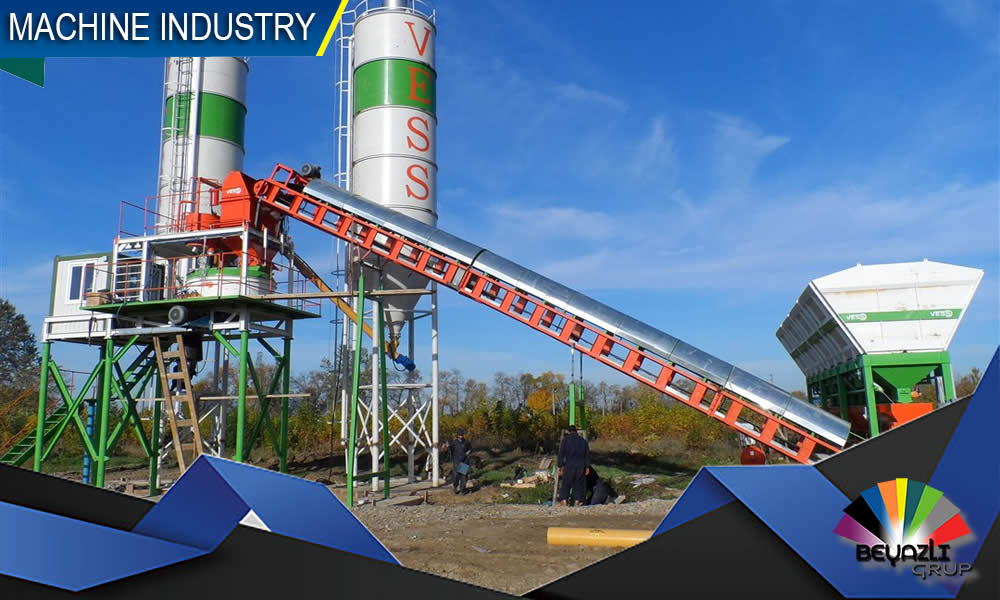
Concrete Batching Plant in Georgia
Georgia is among the countries where we have sold fully automatic ready-mix concrete plants. The ready-mix concrete plant in Georgia has a capacity of 60 m³/hour, operates fully automatically and includes all equipment needed to produce concrete. It is designed for continuous 24-hour operation. The equipment was manufactured in Trabzon, Turkey, then shipped to Georgia. During manufacturing and shipping, our company supplied drawings for preparing the project site and positioning the equipment. A specialist team then installed the plant at the customer’s chosen location. After installation, the plant was tested and commissioned, workers were trained to operate the ready-mix concrete plant, and operating certificates were provided free of charge.

Share a question, add your experience, or continue the discussion about this topic.