
Archive article: This is an English translation of the source article dated 2021. Prices, promotions, statistics and specifications reflect the source period. Please contact us for a current quotation.
Concrete consists of cement, sand and water with a type of aggregate, such as gravel, and other additives. It is one of the most important modern building materials, particularly when reinforced with steel to form reinforced concrete. The Romans are considered the first people to have used ordinary concrete, approximately two thousand years ago. They used it in most of their buildings because it was easy to manufacture and shape and could be handled by a small, simply trained workforce.
Concrete consists of cement, sand and water, with aggregate such as gravel and other additions. It is one of the most important modern building materials, particularly when steel is added to form reinforced concrete. The Romans were the first to use plain concrete around two thousand years ago, using it in most of their buildings because it was easy to make and shape with a small, simply trained workforce. When sand, gravel and cement are mixed with water, they bind together during the setting period. Mixing is performed manually or in ready-mix concrete plants. Concrete has many distinctive properties: it gradually becomes hard and strong, passing from initial to final setting. It resists compression very well but has very low tensile strength, so unreinforced concrete is never used where tensile stresses occur. Steel, which resists both tensile and compressive forces very well, is added to overcome this problem. Together, steel and concrete form an ideal material for resisting various stresses: reinforced concrete.
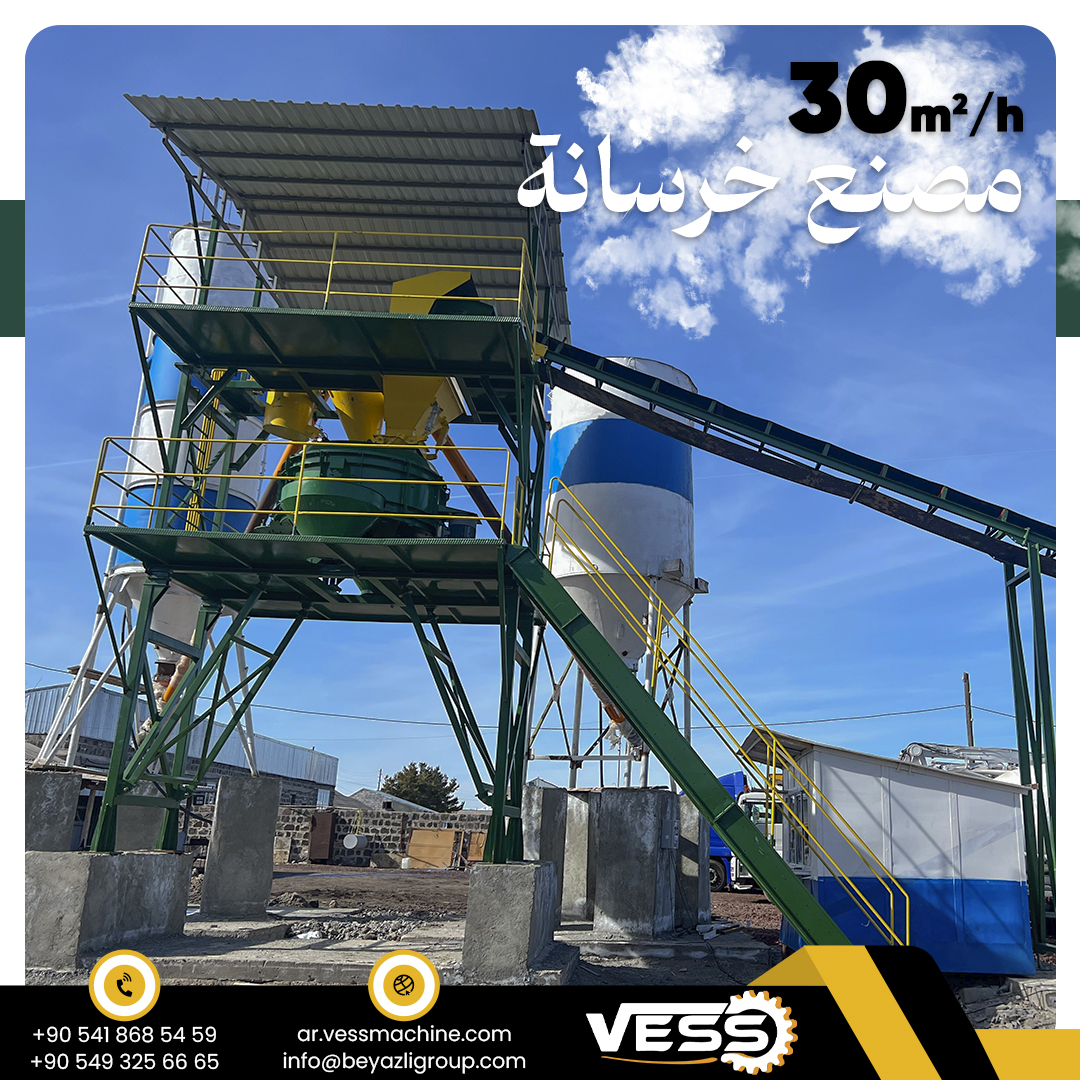
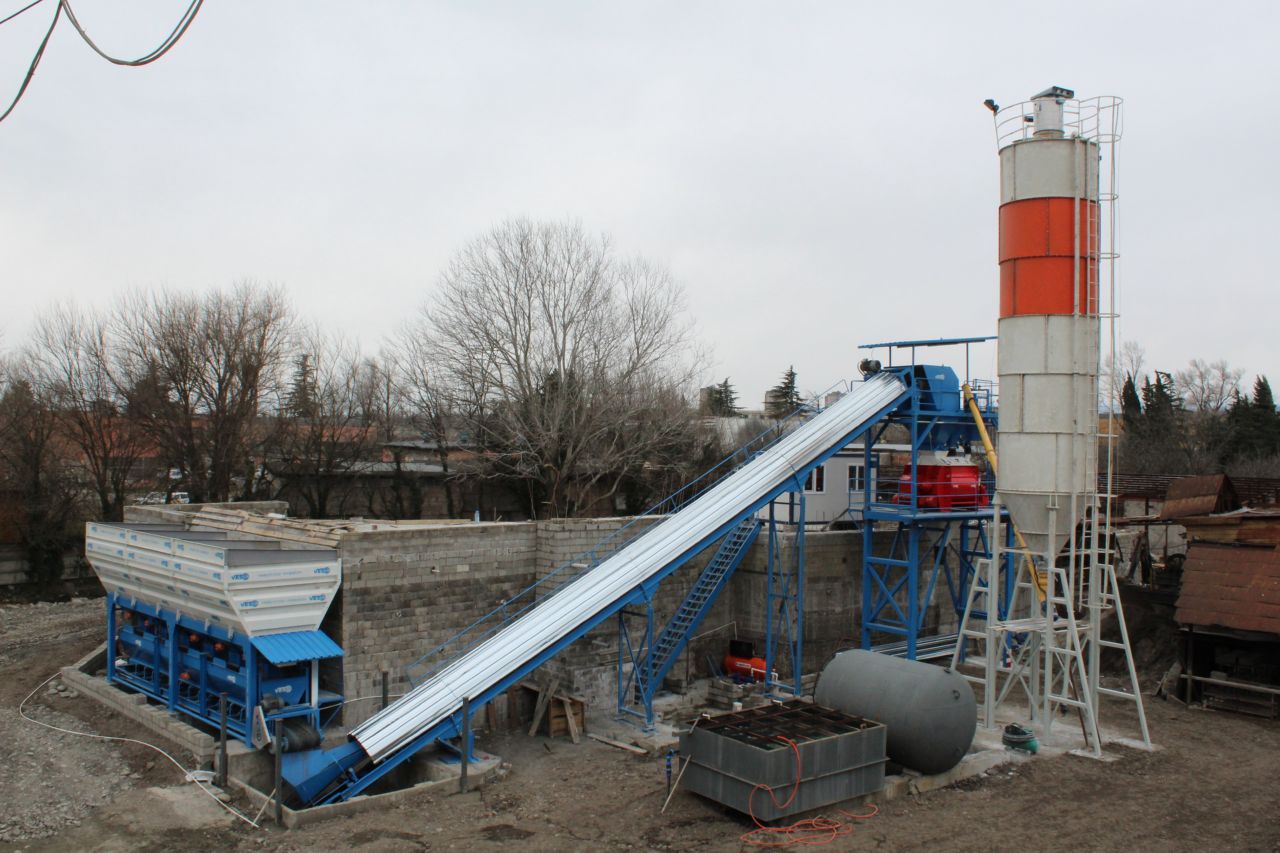
Concrete ingredients
- Cement:
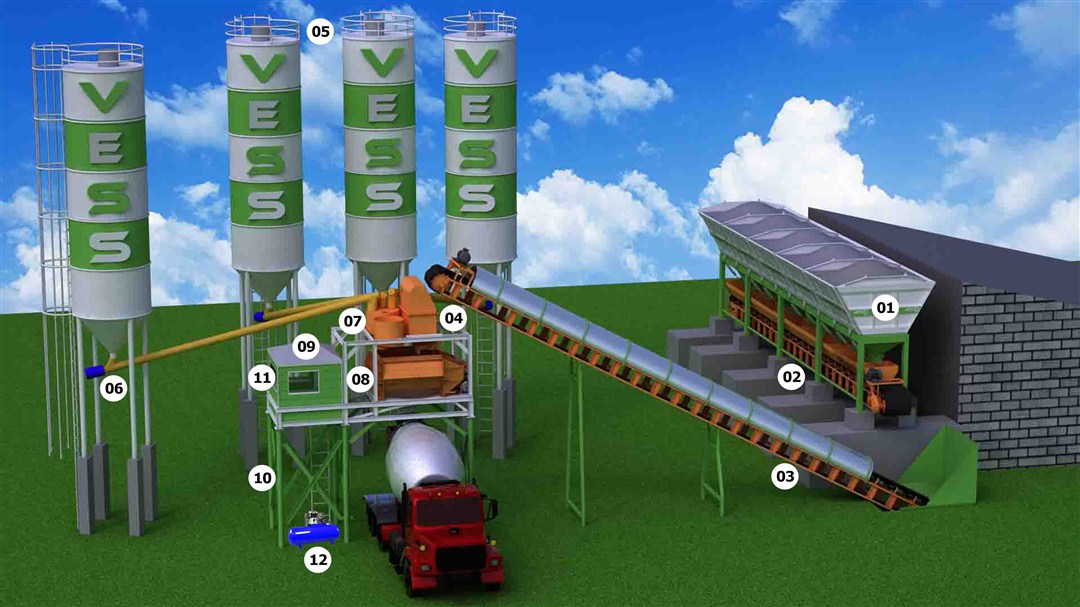
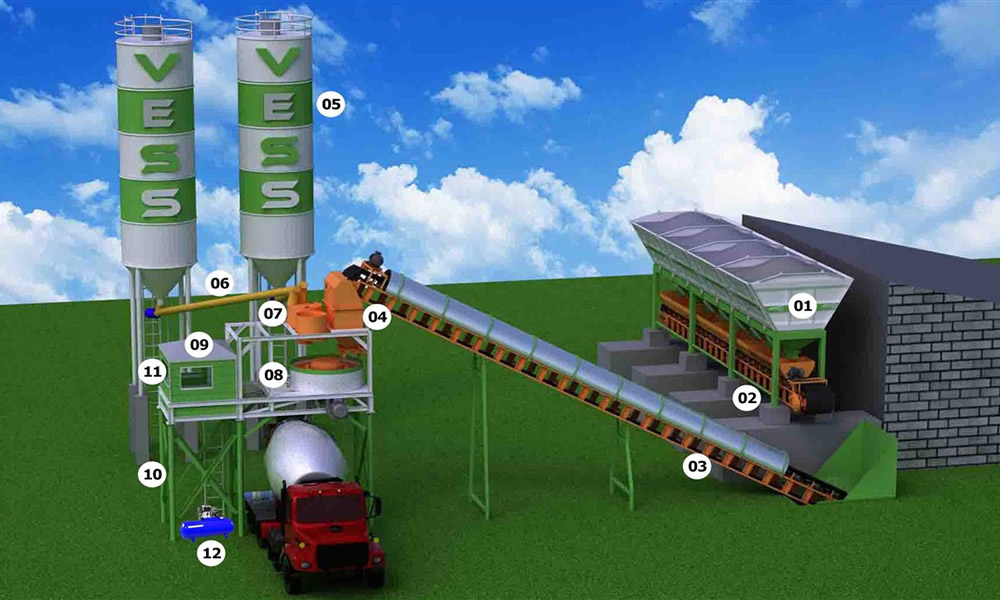
Cement is a fine, dark-colored material with cohesive and adhesive properties in the presence of water. It binds the concrete ingredients together and to reinforcing steel. Its three main raw materials are calcium carbonate from limestone, silica from clay and sand, and alumina, or aluminum oxide. It is stored in the plant’s cement silo.
- Aggregate:
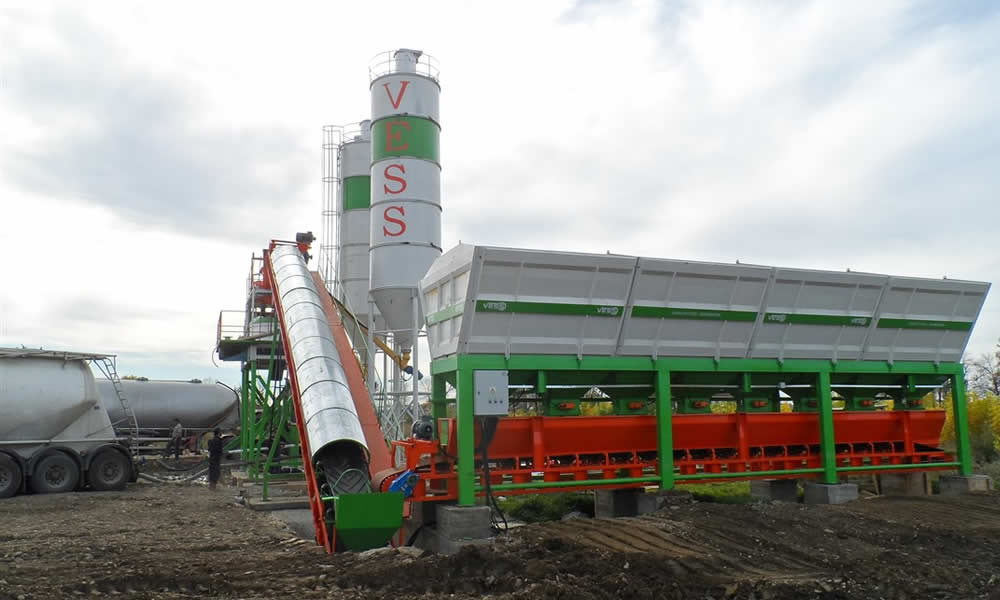
Aggregate quality and properties greatly affect concrete because aggregate occupies approximately 70–75% of the total concrete volume. It generally consists of graded rock particles, from small grains such as sand to larger particles such as gravel. As the main part of the concrete structure, aggregate provides stability and resistance to external forces and weather conditions, including heat, moisture and freezing. It also reduces volume changes caused by cement paste setting and hardening or by concrete exposure to moisture and drying. Aggregate therefore gives concrete greater durability than cement paste alone. These materials are placed in the ready-mix concrete plant’s raw material hopper, which is divided into compartments to keep each material separate.
- Water:
Water is an essential ingredient in concrete. It enables the chemical reaction between cement and water and is absorbed by the aggregate. Water gives the mixture of coarse aggregate, fine aggregate and cement suitable workability for handling and shaping. It also allows a greater quantity of aggregate to be mixed with the same amount of cement. Water used in concrete must be free from harmful substances such as oils, grease, salts, acids, alkalis, organic matter, cork and fine particles, whether dissolved or suspended, and any other substances that adversely affect concrete’s breaking strength and durability. A ready-mix concrete plant includes a water-measuring bucket that sends the measured water to the mixer.
- Additives:
Admixtures are substances or combinations added during mixing to improve one or more concrete properties. Their main purposes include improving fresh-concrete workability, accelerating hardening for high early strength, delaying hardening in hot weather or during long-distance transport, reducing heat generation and bleeding, improving abrasion resistance, reducing shrinkage during hardening and preventing steel corrosion. Despite their many types and trade names, they fall mainly into three categories: accelerators, retarders and water reducers. They should be used according to the manufacturer’s instructions and in the smallest quantities, while also seeking to improve concrete properties by adjusting the main ingredients.
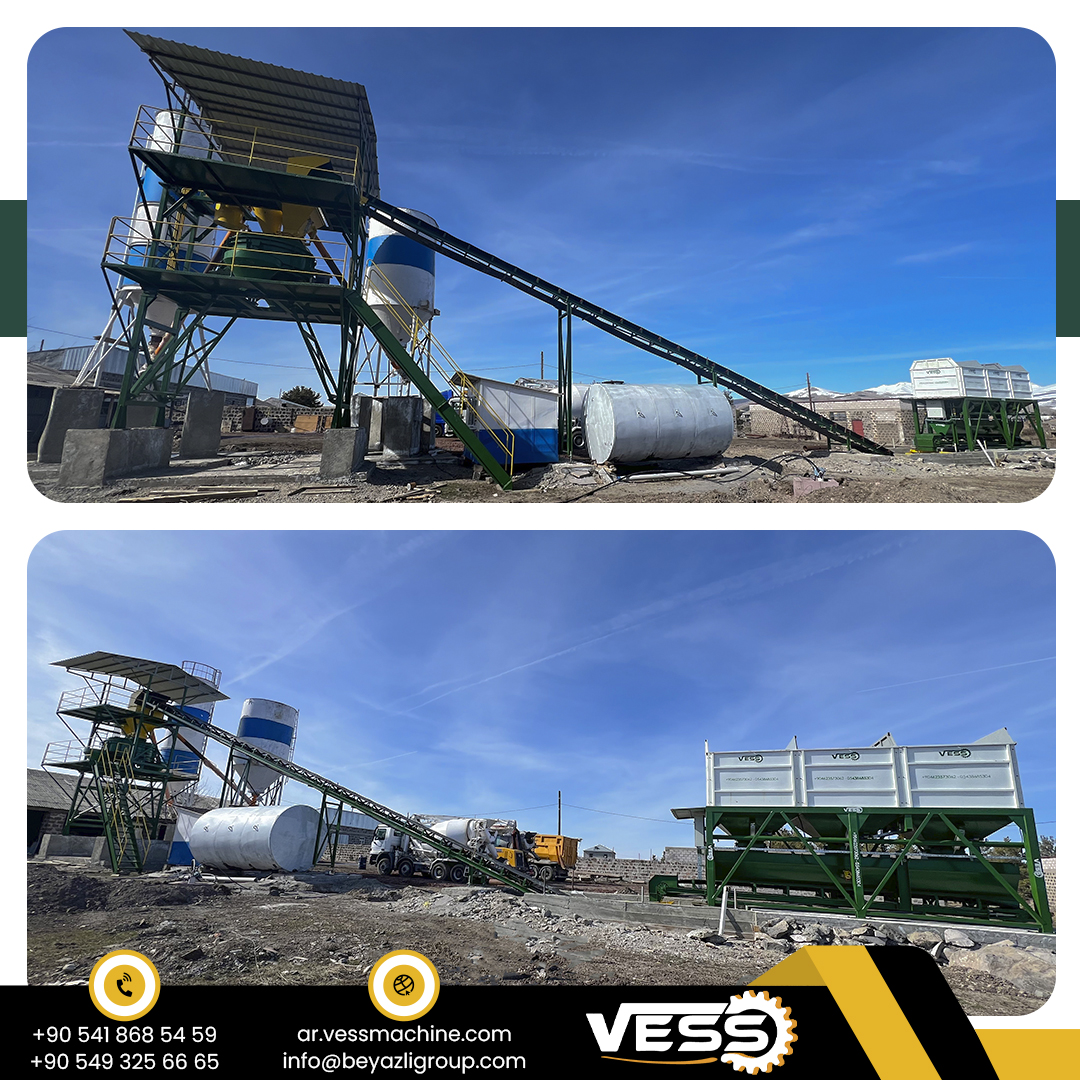
In fully automatic ready-mix concrete plants, raw materials, cement and admixtures are weighed and water measured precisely using dedicated scales, ensuring high-quality concrete. Plant prices vary according to production capacity.
Ready-Mix Concrete Plant for Sale
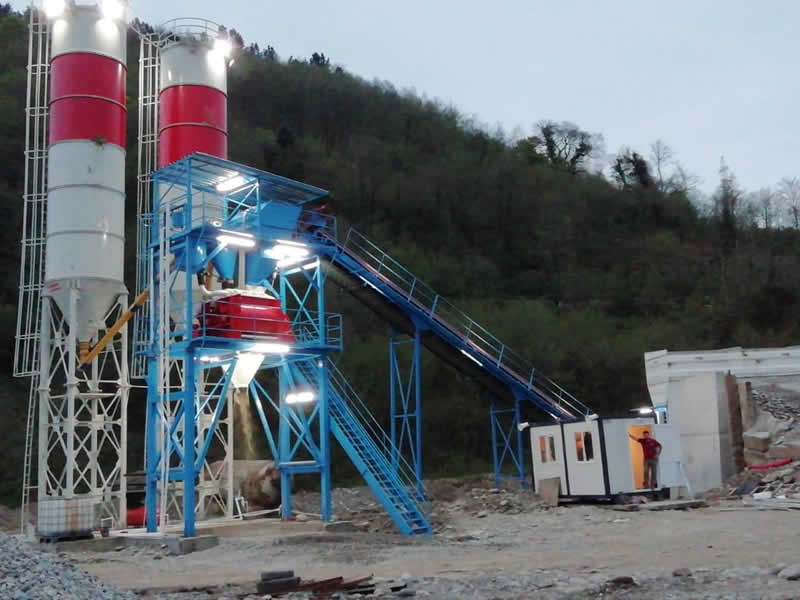
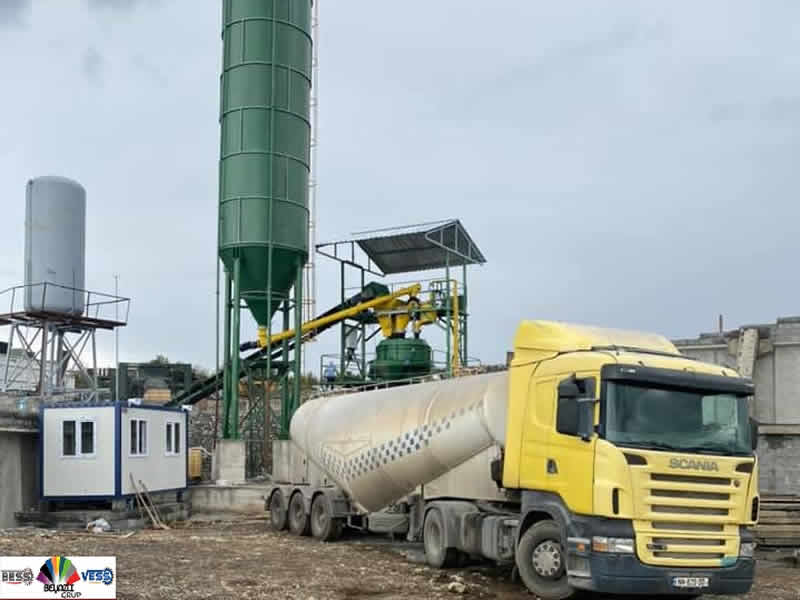
BEYAZLI GROUP plays an important role in shaping the latest ready-mix concrete plant market trends, both in Turkey and worldwide. It provides customers with ready-mix concrete plants specifically designed to produce the highest-quality concrete. Its manufacturing experience and advanced technology allow it to build distinctive plants. It offers complete ready-mix concrete plants for sale, with all equipment and different capacities. These exceed customer expectations through low operating and maintenance costs, affordable ready-mix concrete plant prices, available spare parts, prompt service, high performance, durability and quality. Beyazli Group focuses on earning customer satisfaction and trust through reliable dealings, product quality supported by experienced employees, after-sales services and continued development to provide the best-quality plants.
Types of ready-mix concrete
Today, many concrete types are available, depending on their ingredients. Examples include:
• Concrete mortar: made by mixing gravel, sand and cement.
ü Concrete: a mixture of gravel, clean sand free from impurities, very fine powder and cement, combined in technically established proportions to produce good concrete. The materials are mixed in ready-mix concrete plants.
• Ordinary concrete, also called blinding concrete: this type is not used to cast load-bearing structures. It is generally used to fill voids and stabilize the soil around or beneath steel-reinforced structures.
• Reinforced concrete: so called because it is poured around specially shaped steel bars specified by design engineers. This makes the concrete-and-steel element stronger, more durable and capable of carrying heavy loads, as in bridges, roofs, tall buildings and other structures.
ü White concrete: Made by mixing white cement with gravel and sand mortar.
ü Crushed-brick concrete: made by mixing broken bricks with cement and sand, and used for casting residential pathways or as fill.
 |
 |
VESS Ready-Mix Concrete Plant Prices
Ready-mix concrete plant prices |
|||||
| 120 m³/h | 100 m³/hour | 60 m³/hour | 45 m³/hour | 30 m³/h | Production capacity |
| 2.2 m³ | 2 m³ | 1 m³ | 0.7 m³ | 0.5 m³ | Mixer |
| 4×80 tons | 3×80 tonnes | 2 × 60 tonnes | 1×60 tons | 1×50 tonnes | Cement silo |
| 5 × 25 m³ | 4×25 m³ | 4×20 m³ | 3 × 10 m³ | 3×8 m³ | Raw material hopper |
| 2000 m² | 1,750 m² | 1,500 m² | 1250 m² | 1250 m² | Installation area |
| 204.191 | 173.930 | 137.086 | 104.467 | 84.379 | Price (euros) |
 |
 |
Ready-mix concrete plant in Egypt
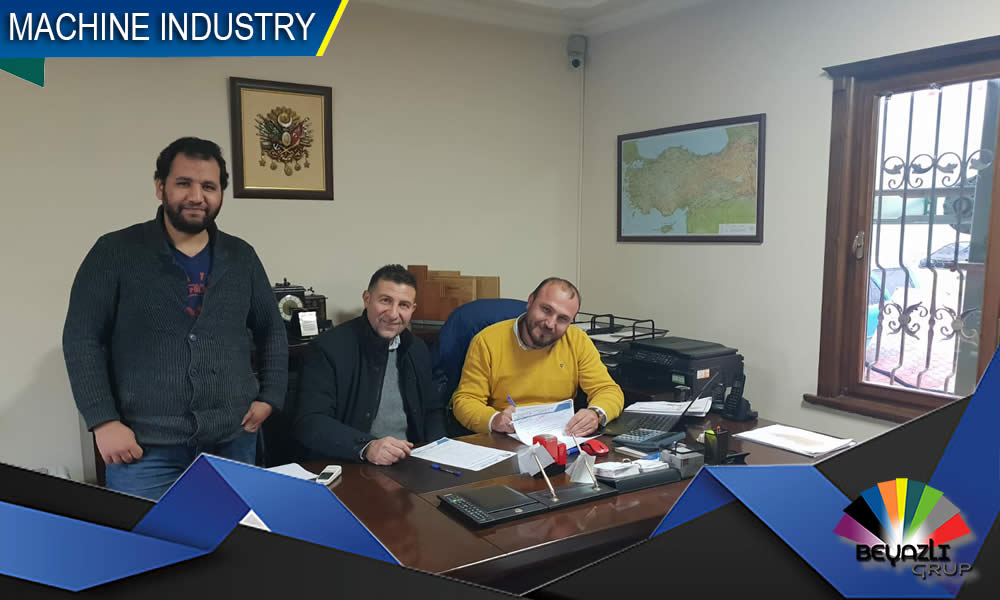
Egypt is one of the countries from which we receive many orders. Its development, progress and building expansion have increased demand for cement products such as blocks and paving blocks, as well as ready-mix concrete, one of today’s most important building materials. Concrete is produced by mixing cement, water, sand and gravel in batching plants before transporting it to the work site. Ready-mix concrete plant projects in Egypt have become widespread. Our sales to Egypt include a ready-mix concrete plant with a capacity of 30 m³/h. Our Egyptian customer visited the factory to inspect the different plants and manufacturing methods. We agreed on the plant price, since ready-mix concrete plant prices vary with the equipment selected. Contracts were signed, with delivery, shipping and payment dates agreed, recorded, signed and certified.

Share a question, add your experience, or continue the discussion about this topic.