
Archive article: This is an English translation of the source article dated 2020. Prices, promotions, statistics and specifications reflect the source period. Please contact us for a current quotation.
Concrete Mixer | Planetary Mixer | Twin-Shaft Mixer
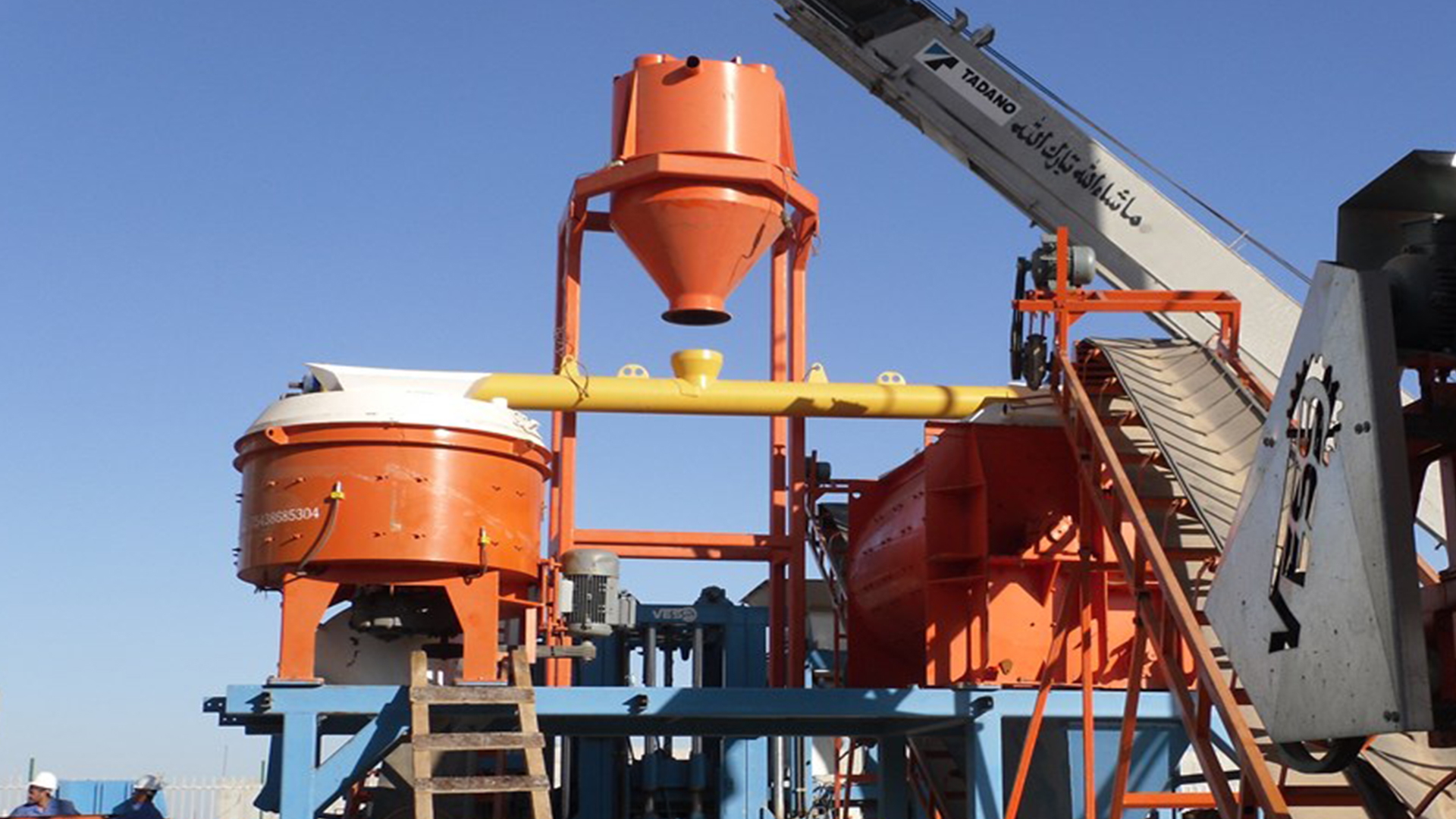
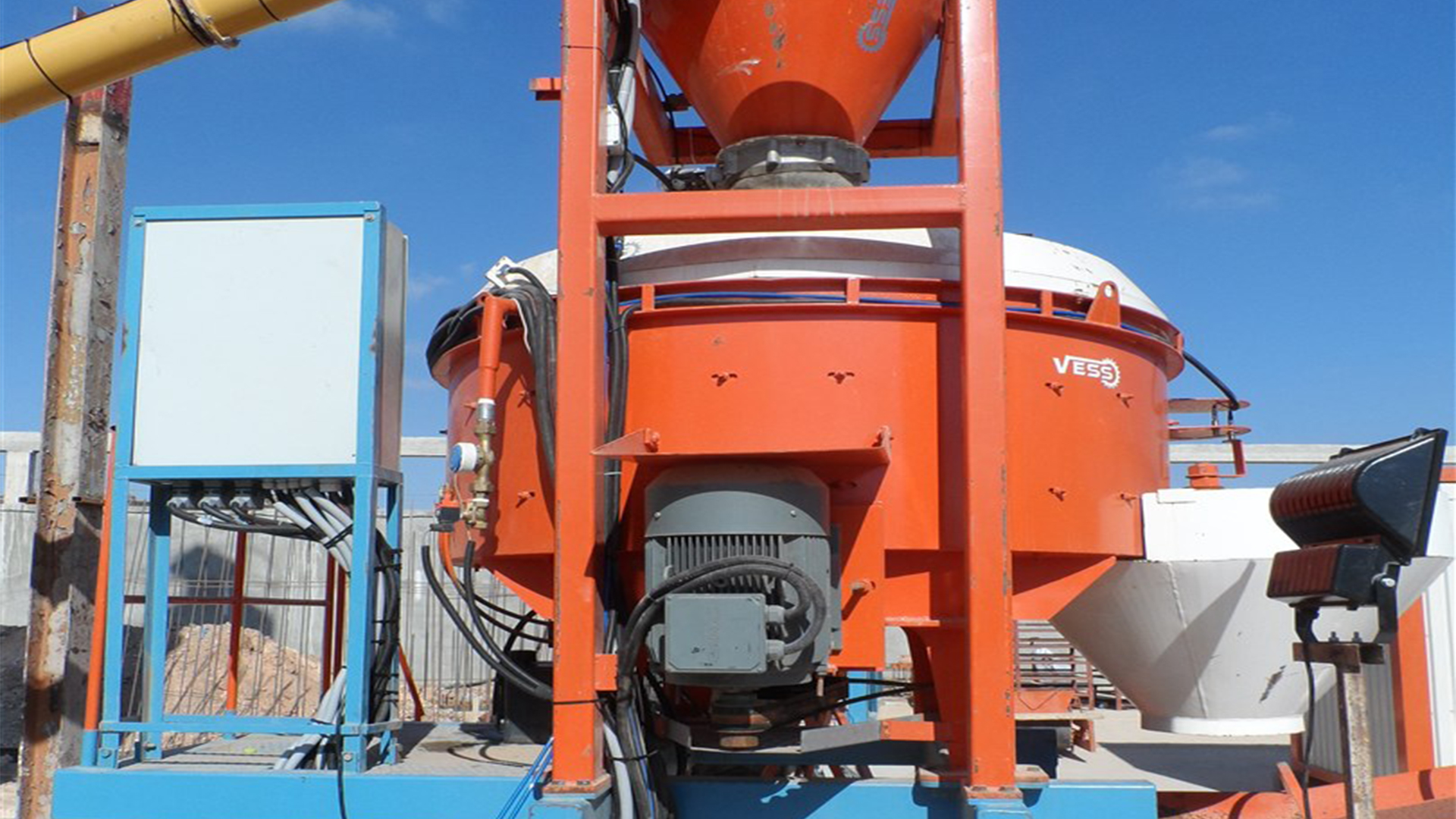
What is a concrete mixer? It is mainly used to produce concrete for infrastructure projects, wastewater treatment plants and road paving. We offer several types, including planetary, horizontal-shaft and twin-shaft mixers.
Concrete Mixer | Planetary Mixer | Twin-Shaft Mixer
 |
 |
Concrete Mixer | Planetary Mixer | Twin-Shaft Mixer
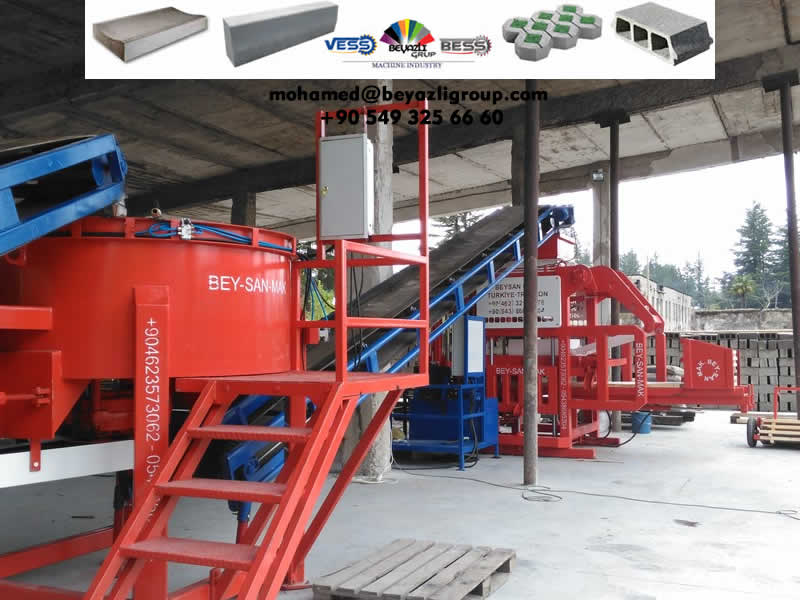
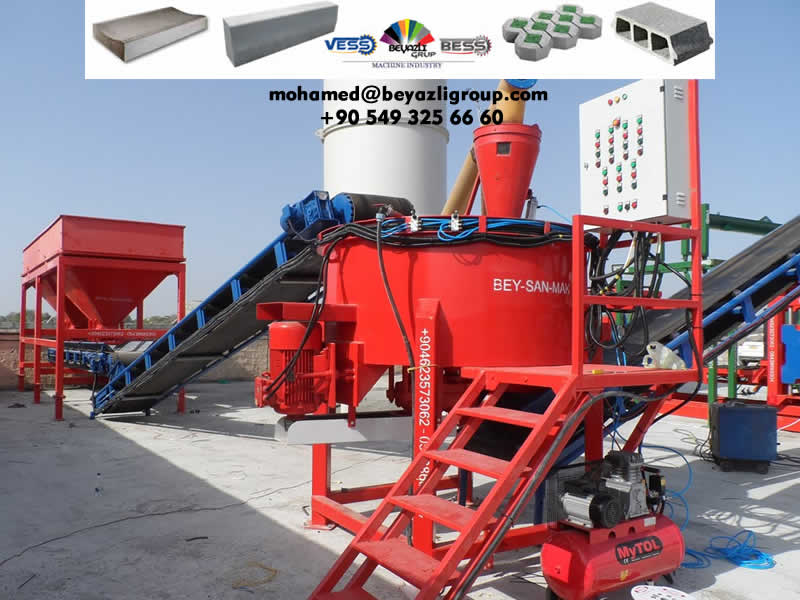
What is a concrete mixer? It is mainly used to produce concrete for infrastructure projects, wastewater treatment plants and road paving. We offer several types, including planetary, horizontal-shaft and twin-shaft mixers.
 |
 |
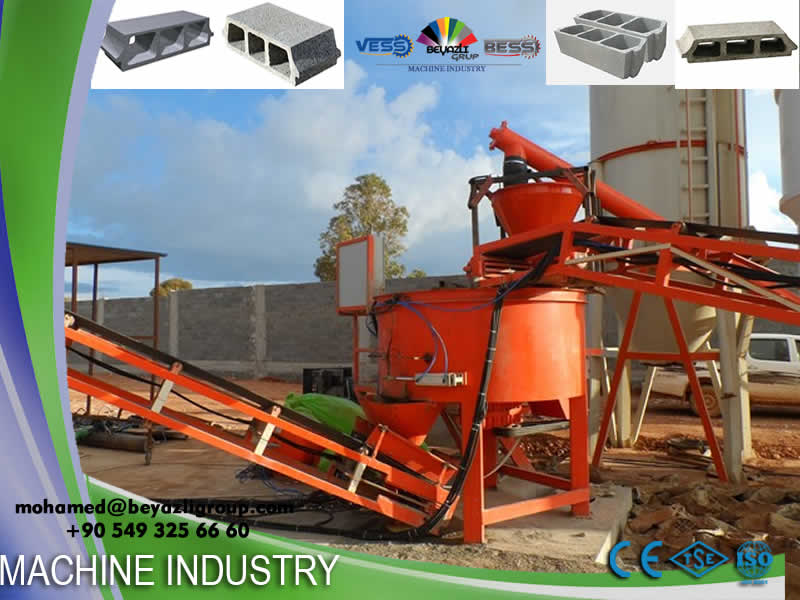 |
Planetary or Pan Mixer | Concrete Mixer
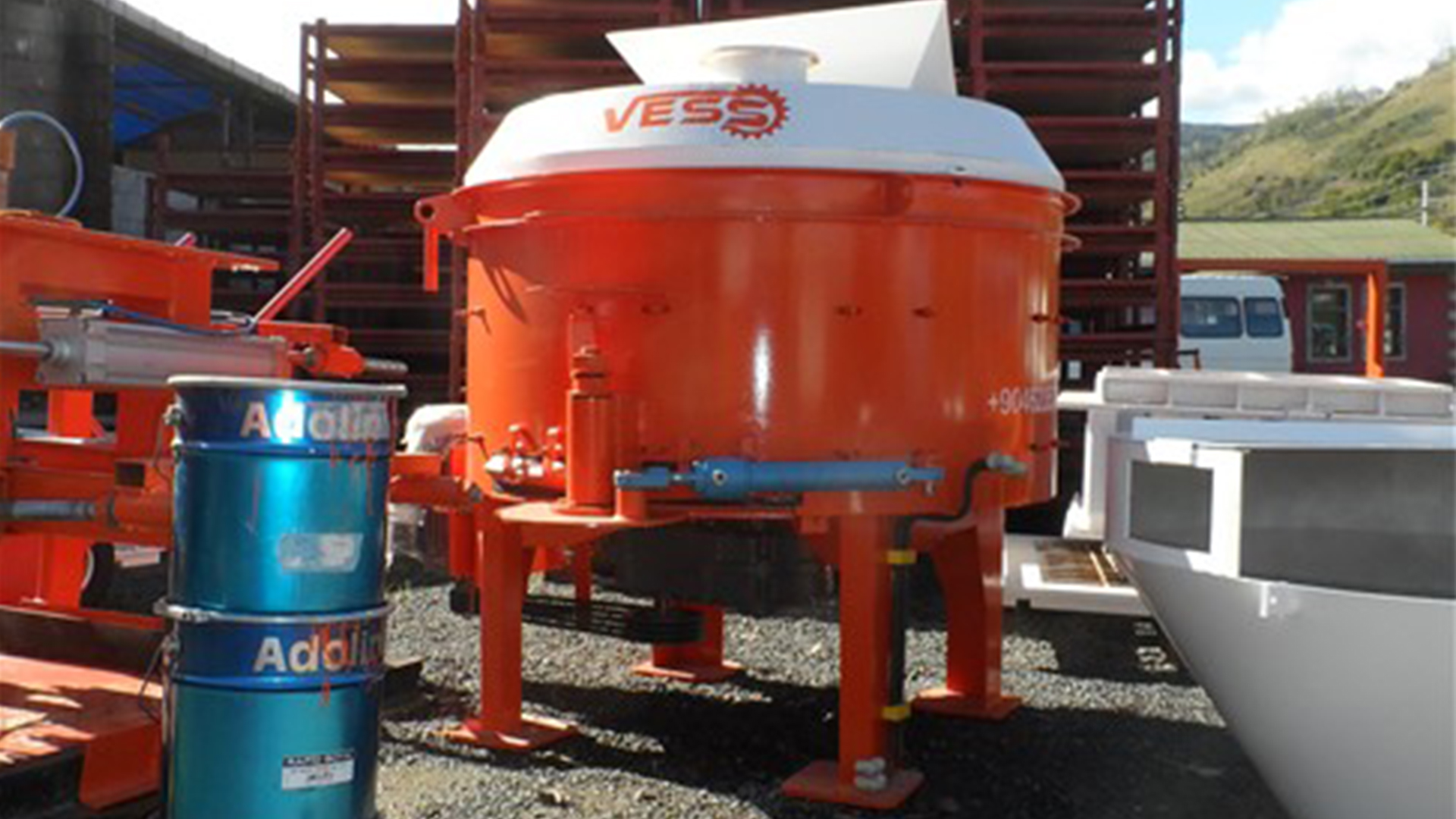
The planetary mixer uses epicyclic motion to produce highly homogeneous concrete, mortar or colored concrete. It is used in many industrial applications, including concrete blocks, paving blocks, curbstones, hollow floor blocks, masonry blocks, gutter paving blocks, drainage channels, concrete pipes and slabs. Mixer sizes range from 0.35 to 3 m³. Energy consumption is low, and maintenance, washing and lubrication are easy.
Horizontal-Shaft Mixer | Concrete Mixer
Vertical-shaft mixers are an ideal solution for producing ready-mix concrete and mortar, with a high success rate. These robust, durable mixers are easy to refurbish and incorporate readily replaceable materials that extend their service life. They deliver high performance with little maintenance. Their powerful gearboxes ensure maximum operating power.
Ring-Pan Mixers | Concrete Mixer
Liebherr intensive ring-pan mixers have produced quality concrete for a wide range of applications for many decades. Even in specialist applications, the energy generated by the agitators produces very high-quality concrete. Cement is broken up and distributed optimally, reducing cement consumption. Liebherr ring-pan mixers are used in precast and concrete component factories as well as ready-mix concrete batching plants.
Even the smallest ring-pan mixer can be fitted with an optional mechanical agitator, allowing it to serve as a high-performance mixer for high-quality concrete components or small batching plants. Depending on the mixer type, a single or double agitator with a planetary gear train can be installed. Hydraulic agitators with continuously adjustable speeds from 60 to 230 (450) rpm are also available. A hydraulic cylinder operates the mixer discharge gate, ensuring clean closure with ample force in reserve. A mixer can have up to three discharge gates. All Liebherr mixers have generously sized drive mechanisms for long service life. Every component is easily accessible, simplifying maintenance.
Twin-Shaft Mixers | Concrete Mixer
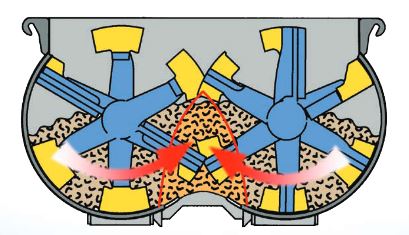
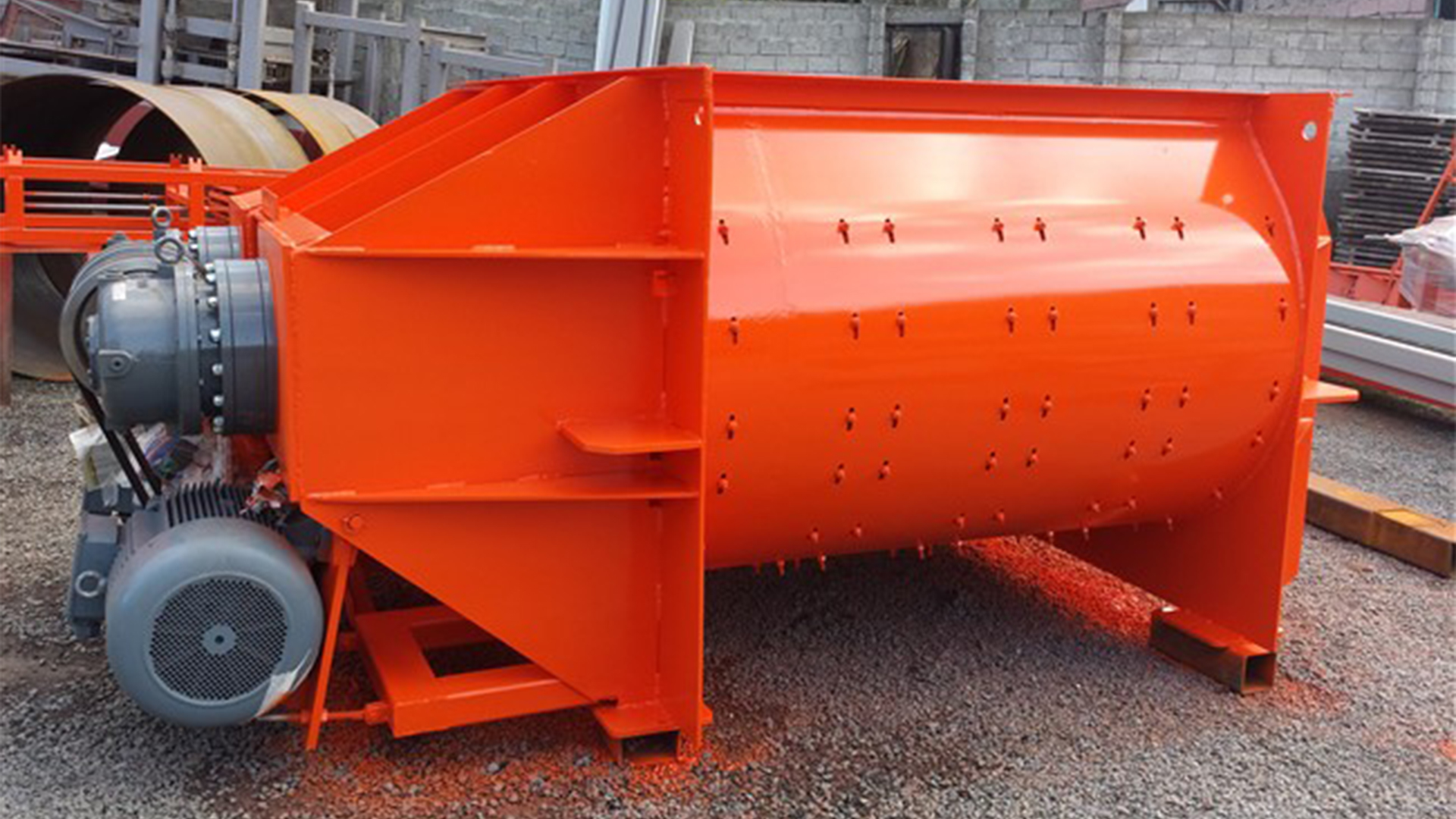
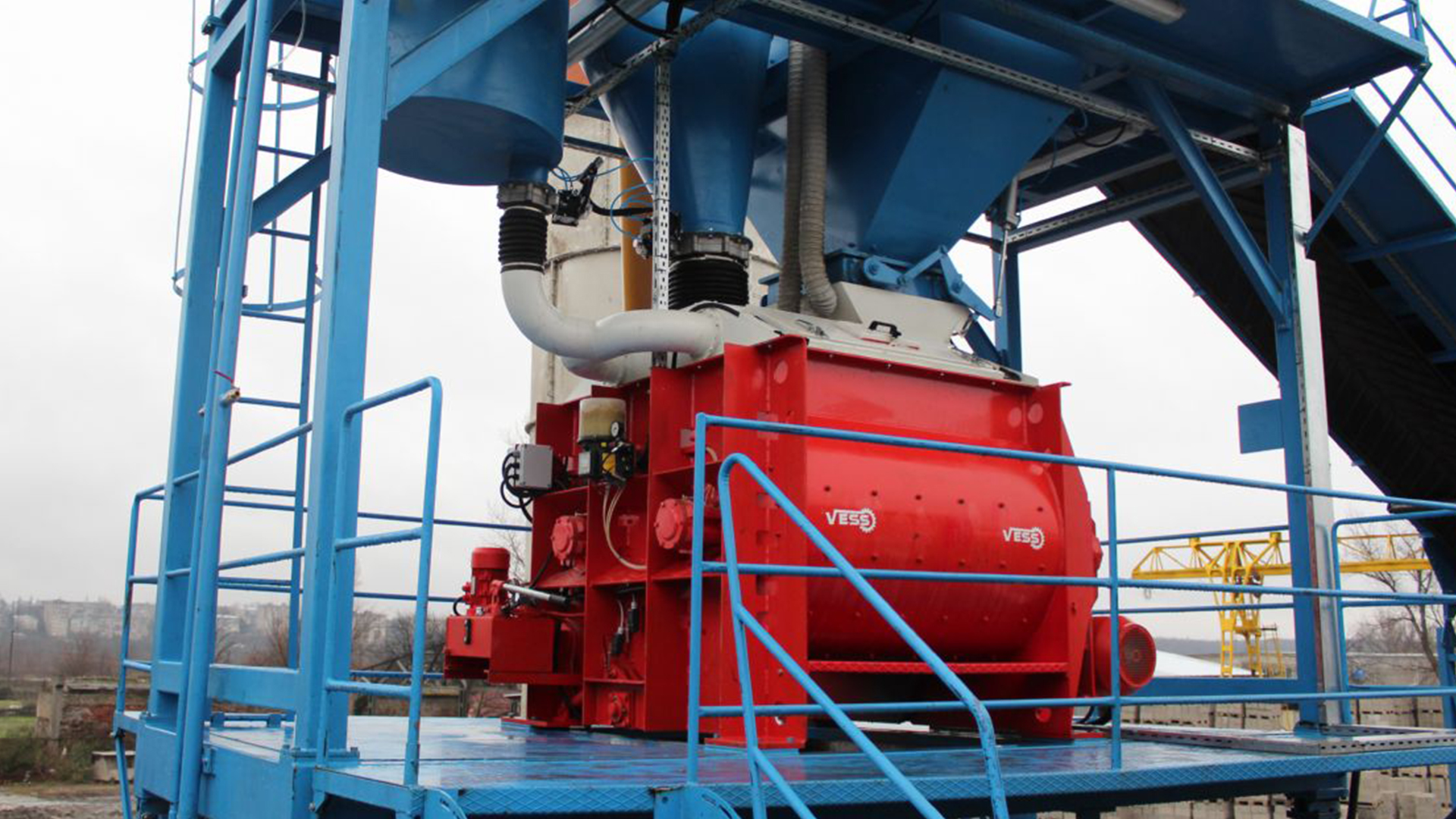
Twin horizontal-shaft mixers are particularly suitable for high-output commercial concrete batching plants. Capacities range from 1.25 to 6.0 m³. Their compact dimensions also make them suitable for mobile and site batching plants. The mixing tools are extremely robust and, depending on the model, can readily handle aggregates up to 180 mm, which is particularly useful for major projects such as dam construction.
The gearboxes are synchronized and designed for long service life. The two shafts carrying the mixing arms rotate in opposite directions, creating very intensive mixing. The replaceable mixing arms and paddles are made of wear-resistant material, with shapes optimized to provide generous wear allowances. The hydraulic discharge gate opens wide for rapid emptying. The wavy shape of the wear liners prevents stones from becoming trapped and joints from eroding. Wear is further reduced at particularly critical points.
 |
 |
 |
CONTACT: Mr. MOHAMED LAMINE — TEL: +90 549 325 66 60 (WhatsApp)
Other basic concrete mixer models
A mixer is an essential tool for DIY users and professionals alike. Whether working in construction, home improvement or DIY as an amateur or professional, it is important to have equipment suited to the task. Choosing a mixer therefore does not always mean choosing the same model. Several types and models are available depending on your requirements and budget. This website provides guidance on other essential factors when choosing a mixer; feel free to contact us. The field of mixing equipment is very broad, and four main types can be distinguished.
Drill Mixer | Concrete Mixer
This is the first category of mixer. It is well suited to amateur DIY users for occasional small jobs that require neither much effort nor high power. It is the easiest mixer to use and takes up little space. It is less expensive, although prices vary with performance and quality. This type combines a drill and a mixer. Its power generally does not exceed 800 watts. It cannot mix materials that are still thick and is more suitable for household jobs.
Single-Paddle Mixers | Concrete Mixer
This second type of mixer has one paddle and is more powerful than a drill. All its power is concentrated on one shaft. A wide range of power ratings is available to suit different needs. These models can mix larger volumes than the first category. There are versions with one handle or two handles. Power ranges from 800 to 1,100 watts or more, making them more capable than the first type.
Twin-Paddle Mixers | Concrete Mixer
Like the second type, this third category uses paddles, but has two rather than one. Its main advantage is greater resistance to frequent use and large jobs, as the motor is relatively well protected against wear. Like the single-paddle mixer, it outperforms the two-in-one model that also functions as a drill. This model can perform almost every general mixing task and meet professional requirements.
Tub Mixer Models | Concrete Mixer
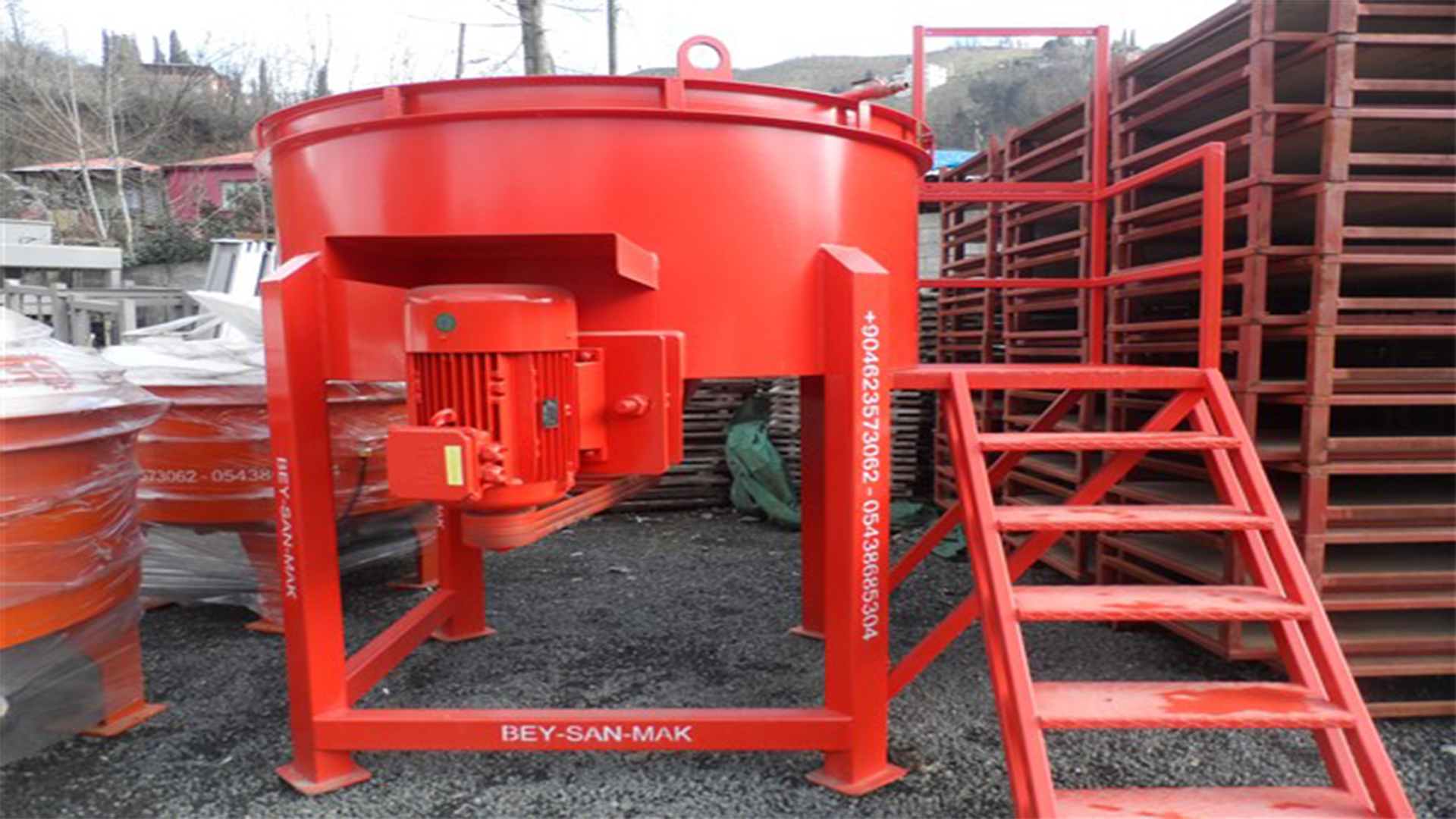
This final category is intended for major jobs. Its tub provides greater volume capacity, for concrete for example, making it suitable for professionals. Tradespeople are the main users of these mixers. Designed for large professional projects, tub mixer models differ in vessel capacity and motor power. They clearly cost considerably more than the other types, given the criteria professionals require. Professionals favor the most durable, high-capacity and efficient models to ensure the desired results, making a tub mixer a substantial investment for them.
Each of these mixer types has its own general characteristics. They all serve the same purpose: mixing components for concrete or other materials, but their capability depends on their power. Manufacturing quality varies with the brand, while weight, price and capacity provide further guidance when choosing. You now have the factors to consider before selecting your mixer, so make your choice with confidence.
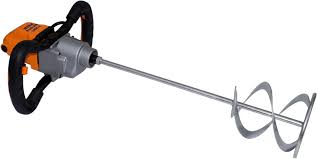 |
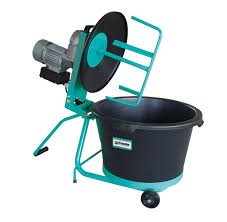 |
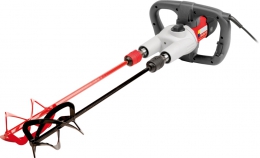 |
Factors to consider when buying a mixer
When choosing a mixer, first consider:
- Its power
- Its technical specifications
- Its build quality
- Its weight
- And even its price!
Everything depends on your budget and needs. An occasional DIY user will have different purchasing criteria from a professional mason.
Concrete mixer power
- Under 800 watts: This will usually be a drill mixer. It is useful for people who rarely use the mixing function but still need a good drill. Its power is insufficient for very viscous products or large quantities. It is recommended only for very occasional users.
- 800 to 1,200 watts: This is already a substantial level of power. Models with one or two handles, such as the Skil 1016 AA tested here, are suitable for most jobs. However, you still need to be careful not to overstrain the motor.
- 1,200 to 1,600 watts: For heavy work. With this level of power, as on the Timbertech 1600, virtually any type of mixing should be possible. A large bag of concrete should present no difficulty. Everything depends on build quality and therefore on the brand you buy.
- Over 1,600 watts: For professionals or people with truly large projects. At this power level, prices are high, as are build quality and service life. These are really recommended only for dedicated users.
I stop here at the 1,800-watt model because more powerful models generally have tubs and are intended only for very large construction sites and building professionals.
Two additional factors to consider | Concrete Mixer
- Maximum mixing capacity: how many liters of liquid the tool can mix
- The concrete mixer’s revolutions per minute
Concrete mixer build quality
In my view, build quality is one of the most important factors in any purchase. It affects:
- How easy the concrete mixer is to use
- Ergonomics, including well-finished plastics and dual-material handles
- Service life and, consequently, obsolescence
- Unfortunately, the concrete mixer’s price as well
Higher quality often means moving up the product range and paying more! The question is whether it is worth the cost. That is what we try to show in our product reviews. Several criteria matter. Plastic quality, for example, is often a good indicator. Also examine moving parts such as buttons, triggers and speed selectors. Motor quality is of course difficult to check, but it is easy to see whether the mixing shaft is made of quality metal that will not fail after just a few uses.
Concrete mixer weight
Weight can also be decisive when choosing between models. Generally, the sturdier, better-built and higher-end a model is, the heavier it tends to be. The Bosch 1800 weighs almost ten kilograms, while the Skil 1200 weighs only 3 kilograms. The latter is an exception to the rule because it still performs very well. People with a smaller build should consider this beforehand to avoid ending up with a tool they cannot handle.
Concrete mixer price
Although price is not everything, it generally indicates the product’s market tier. Prices range roughly from around €60 to over €500. Use our tests to find the best value for your needs and budget.
|
 |
 |

Video de la Machine de Brique
Formulaire de Contact
Share a question, add your experience, or continue the discussion about this topic.