
Archive article: This is an English translation of the source article dated 2018. Prices, promotions, statistics and specifications reflect the source period. Please contact us for a current quotation.
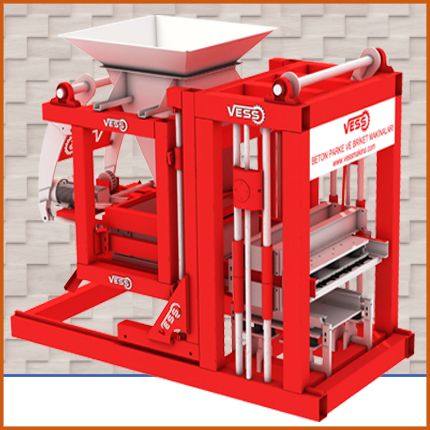
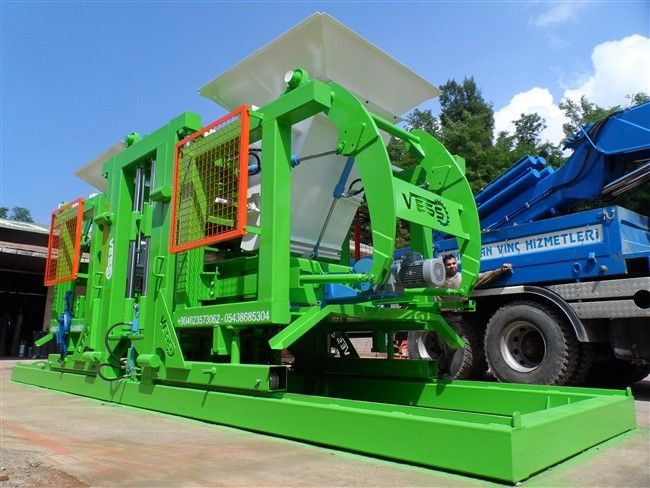
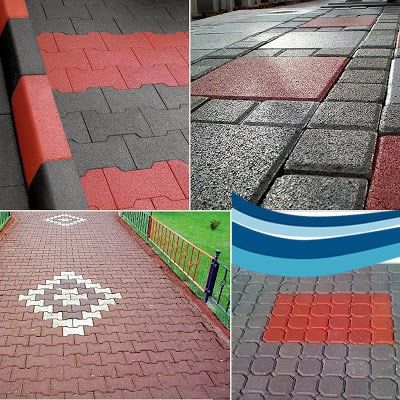
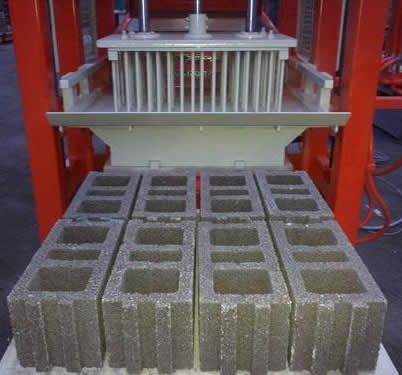
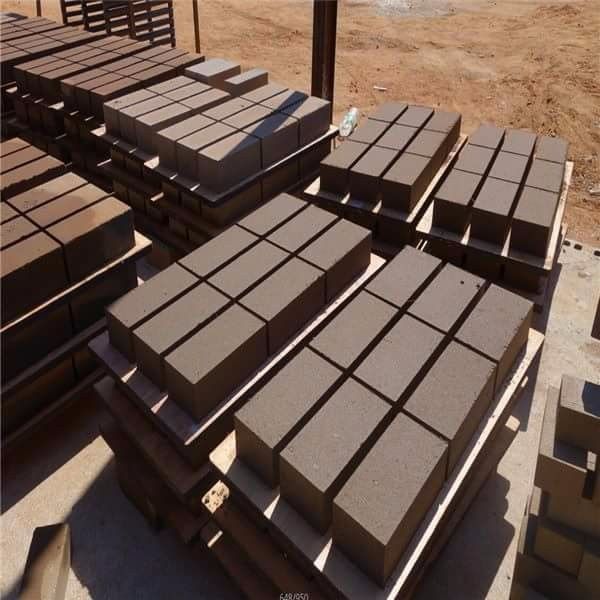
Our fully automatic, automatic and semi-automatic concrete block and pumice block machines are available in different models to meet the needs of large and small businesses.
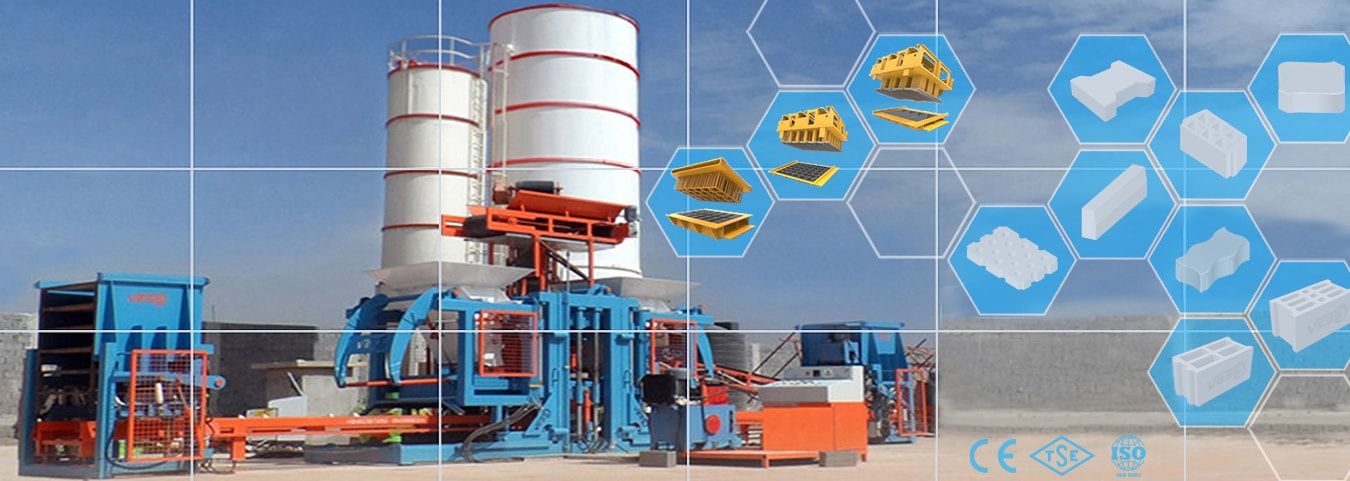
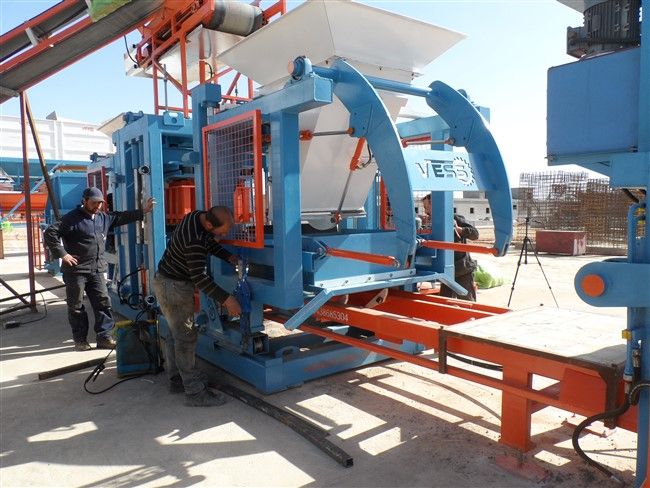
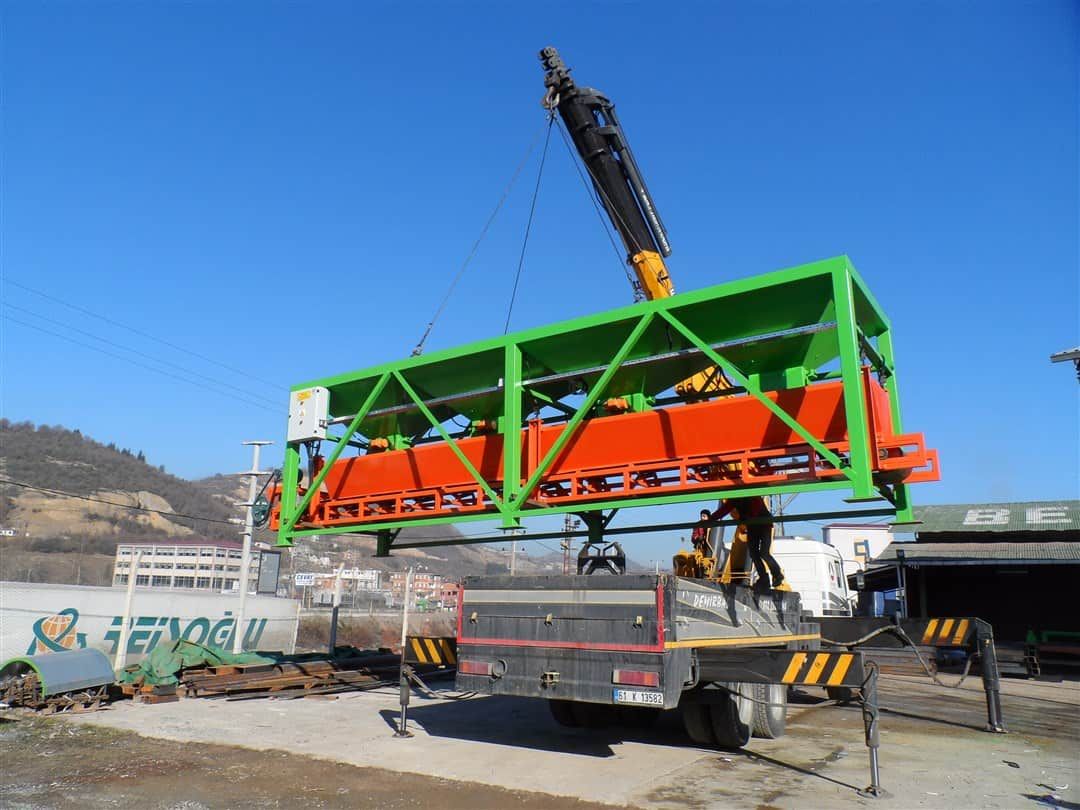
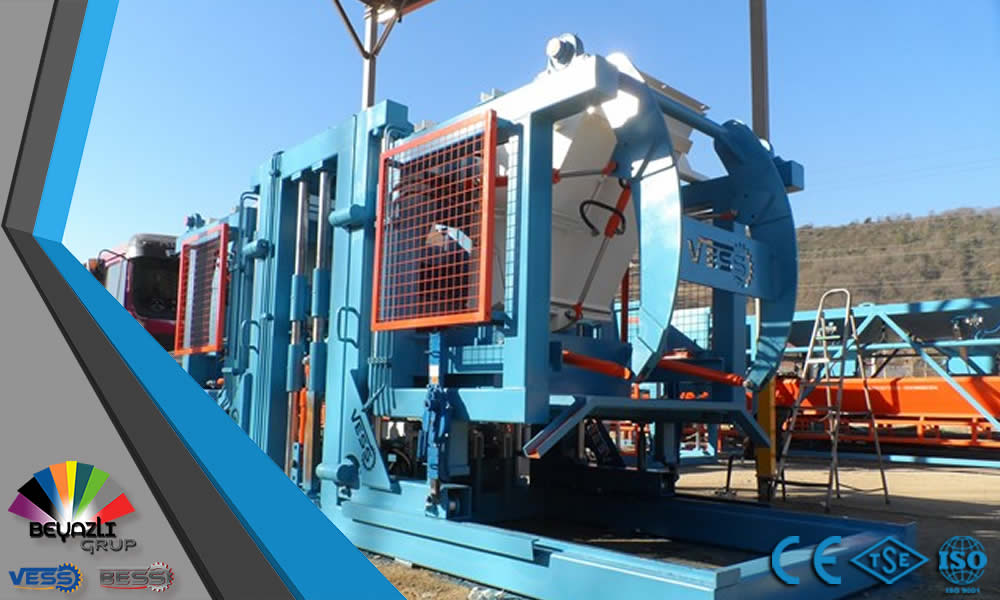
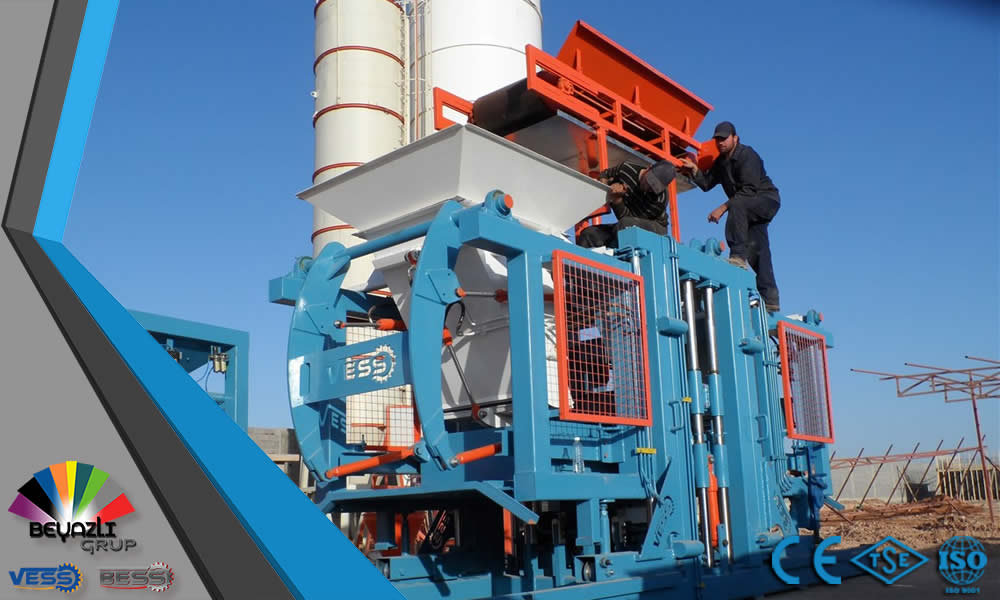
The concrete block machines we manufacture under the Vess brand reach our customers through six stages: project design, mechanical manufacturing, hydraulic manufacturing, electrical automation, priming and painting, and shipping and installation. Production capacity varies according to the model selected. Our fully automatic concrete block and pumice block machines, automatic concrete block and pumice block machines, and semi-automatic concrete block and pumice block machines are available in different models to meet the needs of large and small businesses.
| Contact: Gökhan ÖZDEMİR +90 549 325 66 67 |  |
 |
 |

 |
 |
Installation and technical information for pumice block and concrete block machines
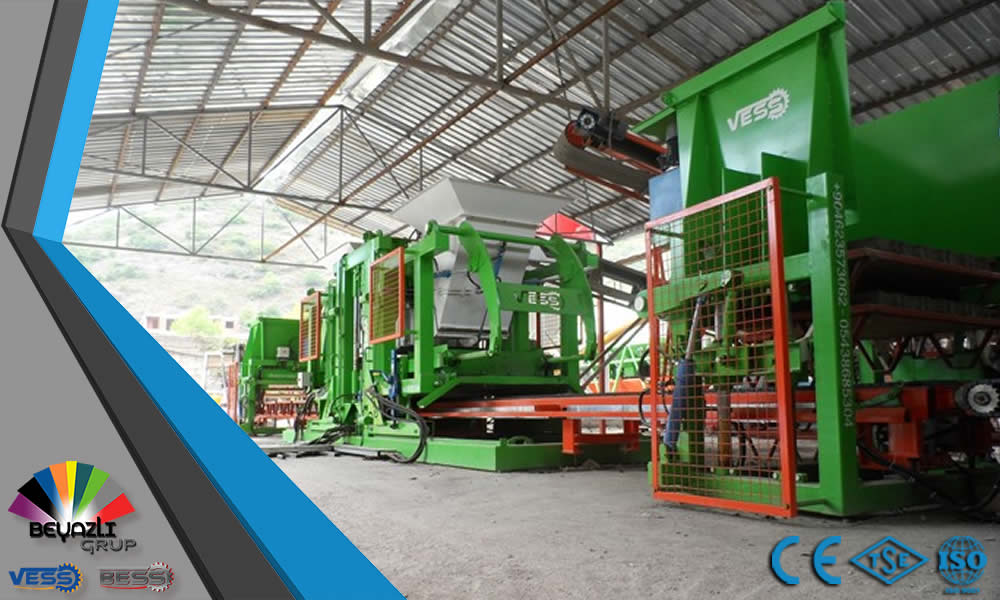
No additional equipment is required apart from drying and curing rooms. For a plant with these specifications, the recommended installation, curing and storage area ranges from a minimum of 100 m² to 5000 m². A roof is not mandatory. The concrete floor should cover at least 1/3 of the total plant area. Total power requirements range from 22 kW to 68 kW. Our machines can operate with a minimum of 1 and a maximum of 8 personnel and are designed for 24-hour operation.
Pumice Block Machine
Concrete blocks are building materials that can be produced from different natural raw materials. Originally, they were manufactured from mortar made by crushing natural stone to 8 mm and mixing it with cement and water. This method remains popular. However, blocks made from this mixture are quite heavy. Their weight makes installation harder, increases the effort required from workers in labour-intensive production and raises stone costs. These disadvantages have encouraged the use of another raw material as an alternative to dense aggregate.
 |
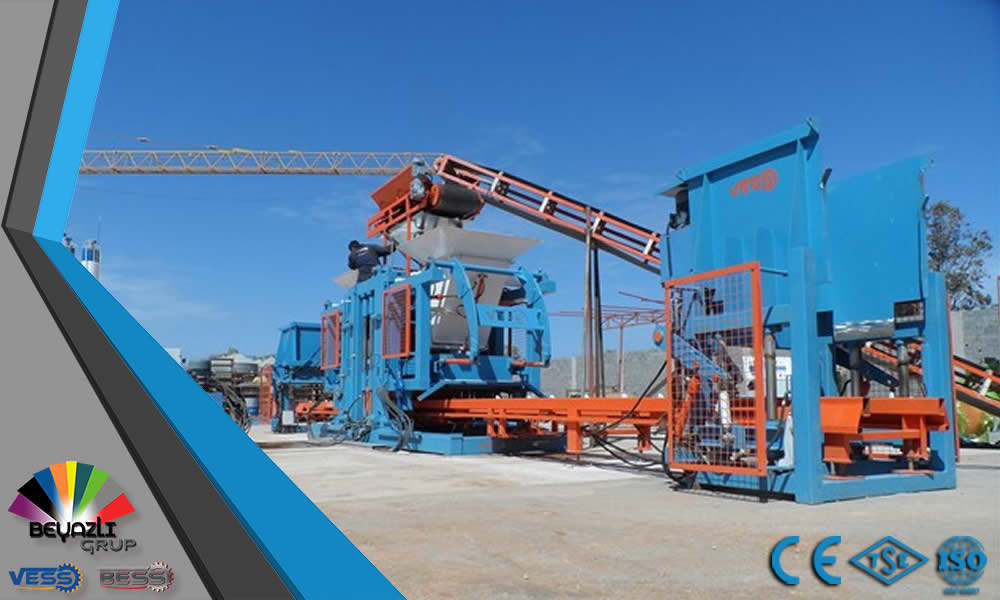 |
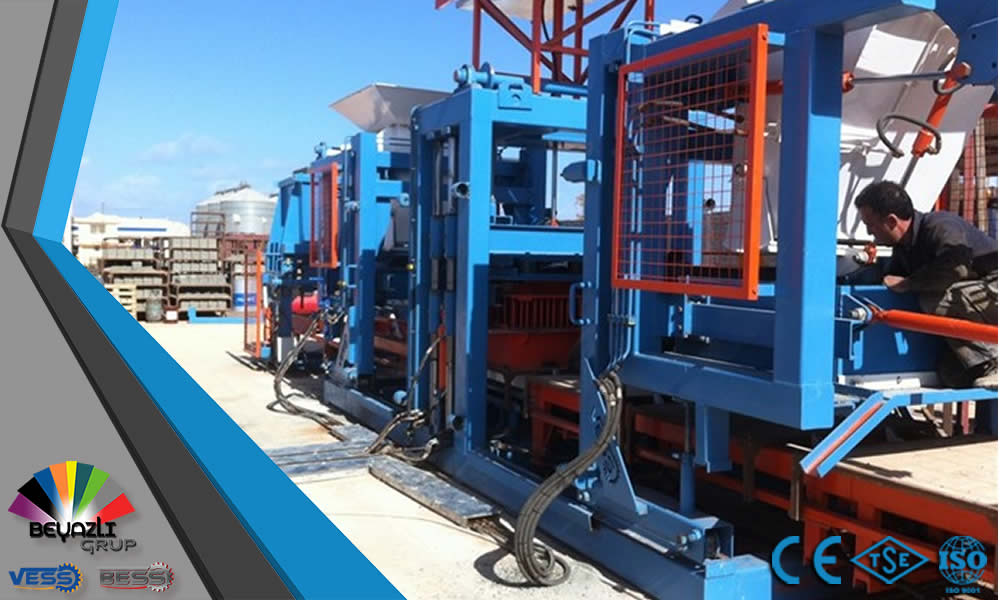
Pumice is a light, porous, glassy volcanic rock formed from volcanic material. Building blocks made with pumice are known as pumice blocks and are manufactured using a pumice block machine. Because pumice has natural binding properties, it requires less cement than other aggregates. This reduces production costs and increases profitability. Machines generally called concrete block machines are also known as pumice block machines in some regions. The porous structure of pumice blocks provides natural insulation, reducing the expenditure required for thermal and sound insulation. The source describes pumice as containing no chemical additives and therefore having no harmful health effects. Turkey has abundant pumice reserves, which encourage its use in construction and contribute to its growing popularity.
 |
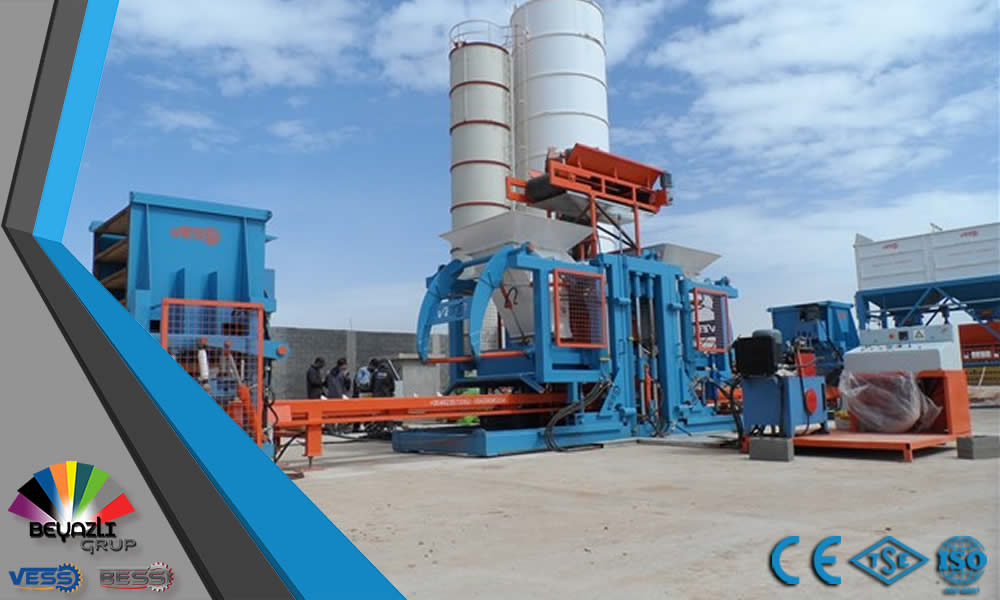 |
Pumice can cause substantial wear to metal. A producer planning to manufacture pumice blocks should check whether the materials used in the machine parts that come into contact with pumice are suitable for it. For example, pumice shortens the service life of the mould, one of the machine’s most important components. The quality and wear resistance of the mould metal must therefore be assessed carefully, and its construction must suit pumice production. Otherwise, frequent mould replacement will reduce profitability. Another important component in contact with pumice is the mixer. Its internal surfaces, where the raw materials are mixed into mortar, are particularly vulnerable to wear, which is difficult to prevent completely. These surfaces must therefore be replaceable. Mixers with permanently riveted surfaces that cannot be replaced have shorter service lives. Buying replacement mixers and bearing recurring additional plant costs reduces the profit earned per block. A producer establishing a pumice block plant should consider these points, confirm that the machine and its equipment are suitable for pumice production, and choose a reliable, experienced manufacturer with references from pumice block producers to avoid future problems.
Concrete block machines, paving block machines, automatic concrete and pumice block machines, manual concrete and pumice block machines, fully automatic concrete block machines and concrete batching plants
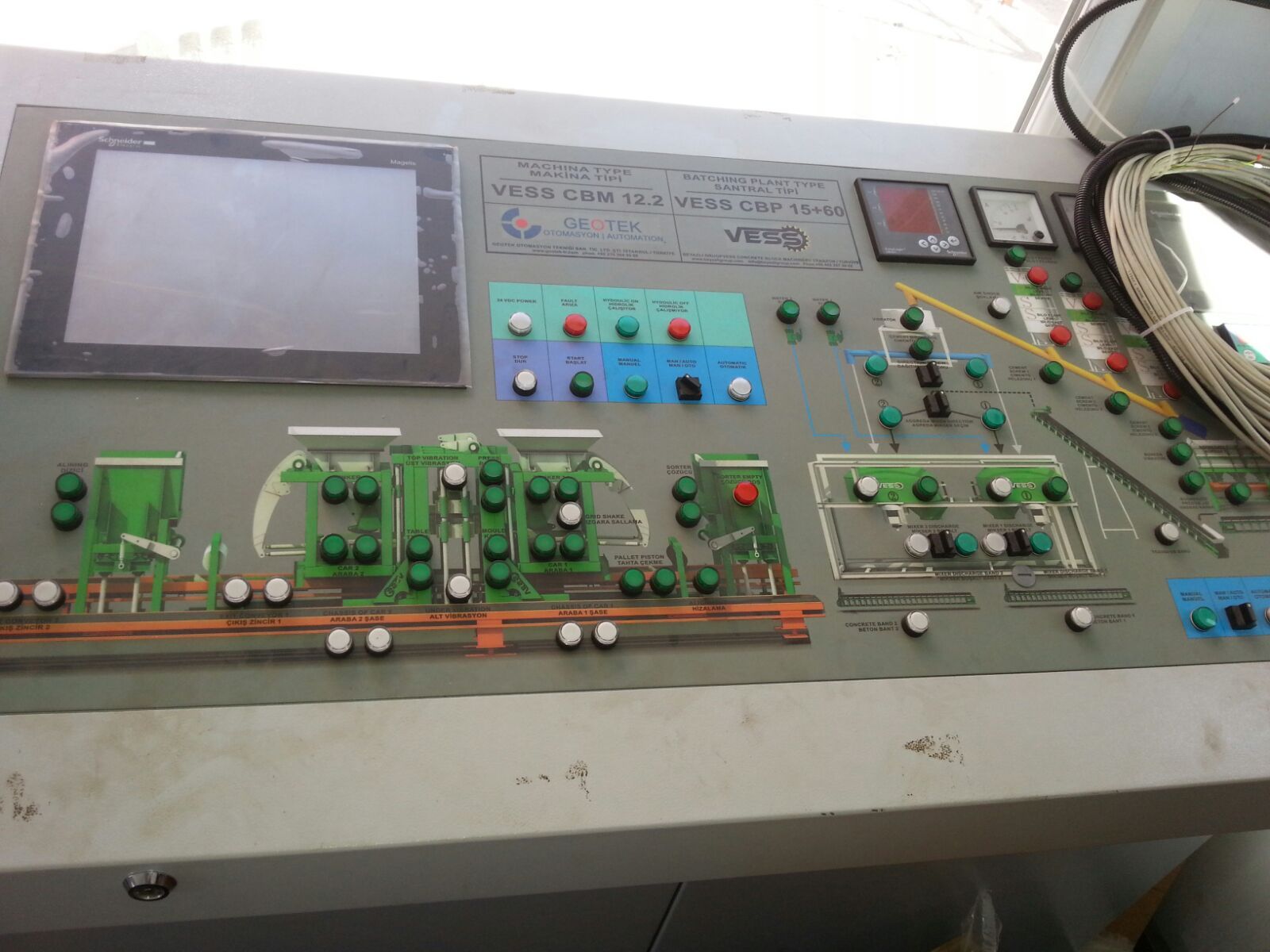
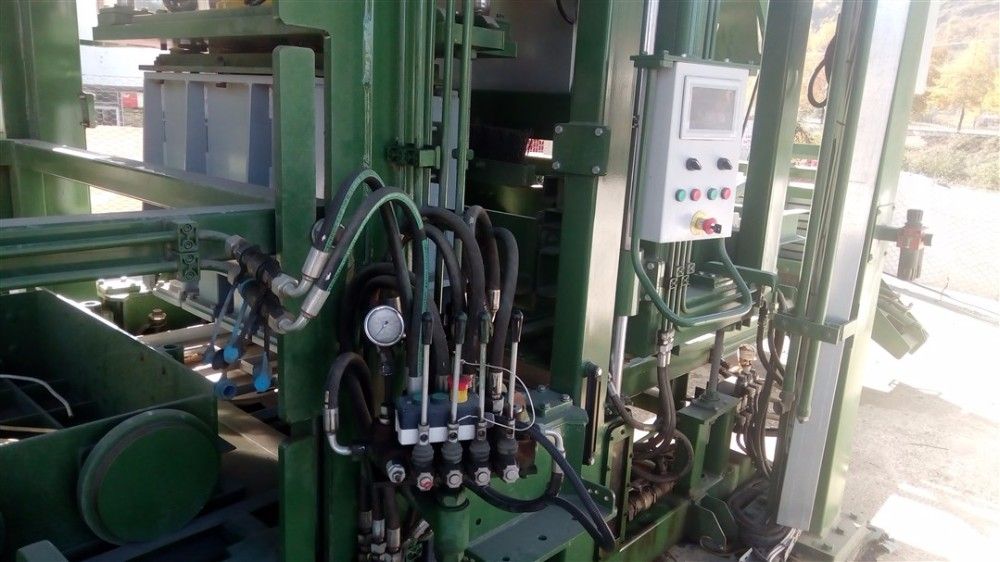
Electrical Control Panel
Brand: Schneider – Siemens Electric
Origin: France – Germany
International-quality motor, strong thrust, low energy consumption and economical operation
Hydraulic System
Brand: Siemens
Origin: Germany
International-quality pump, strong hydraulic pressure, low energy consumption and economical operation
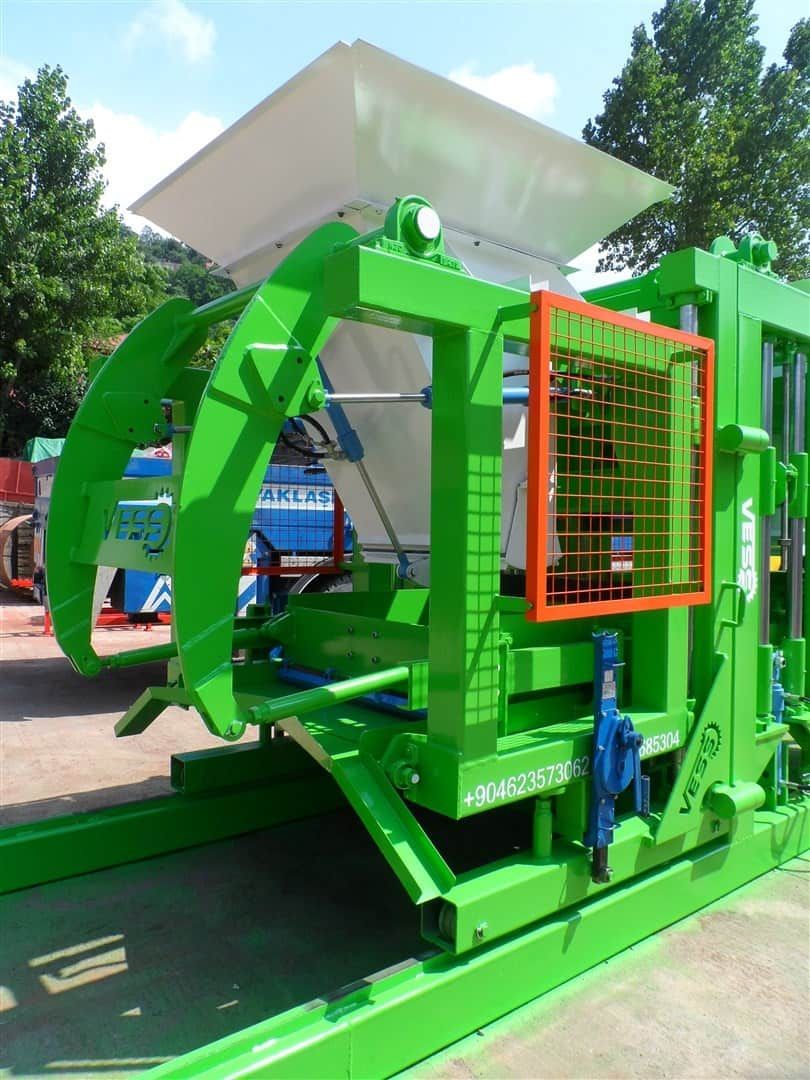
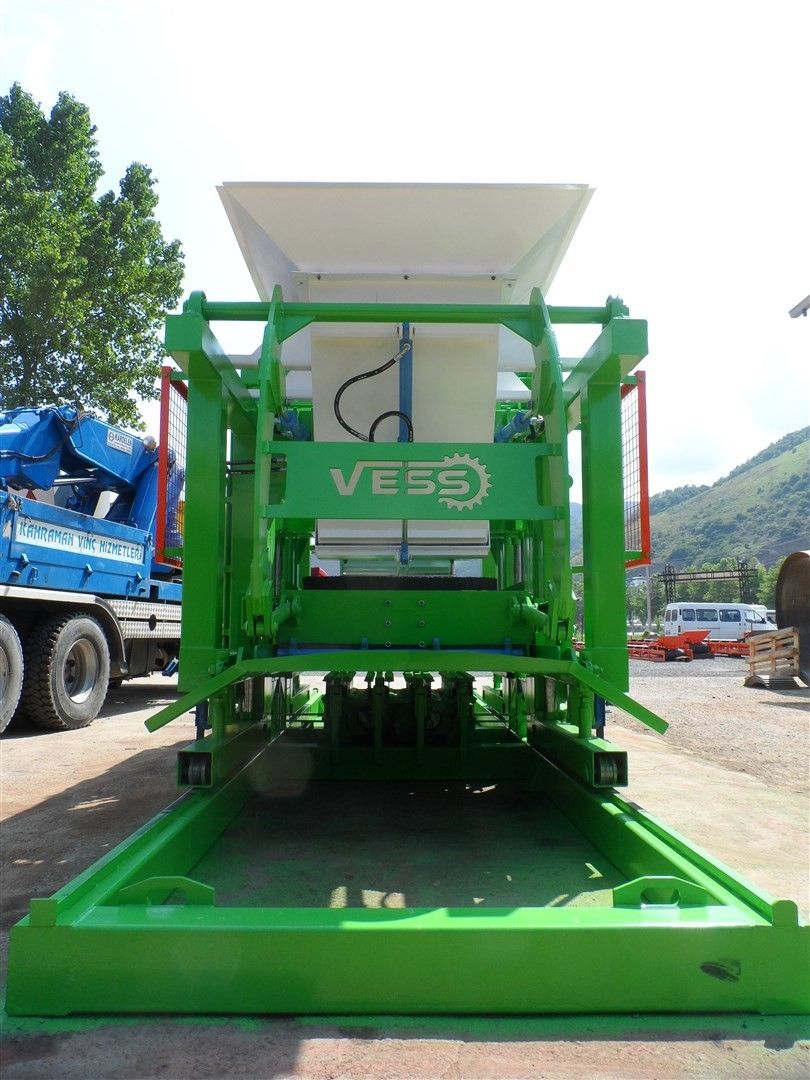
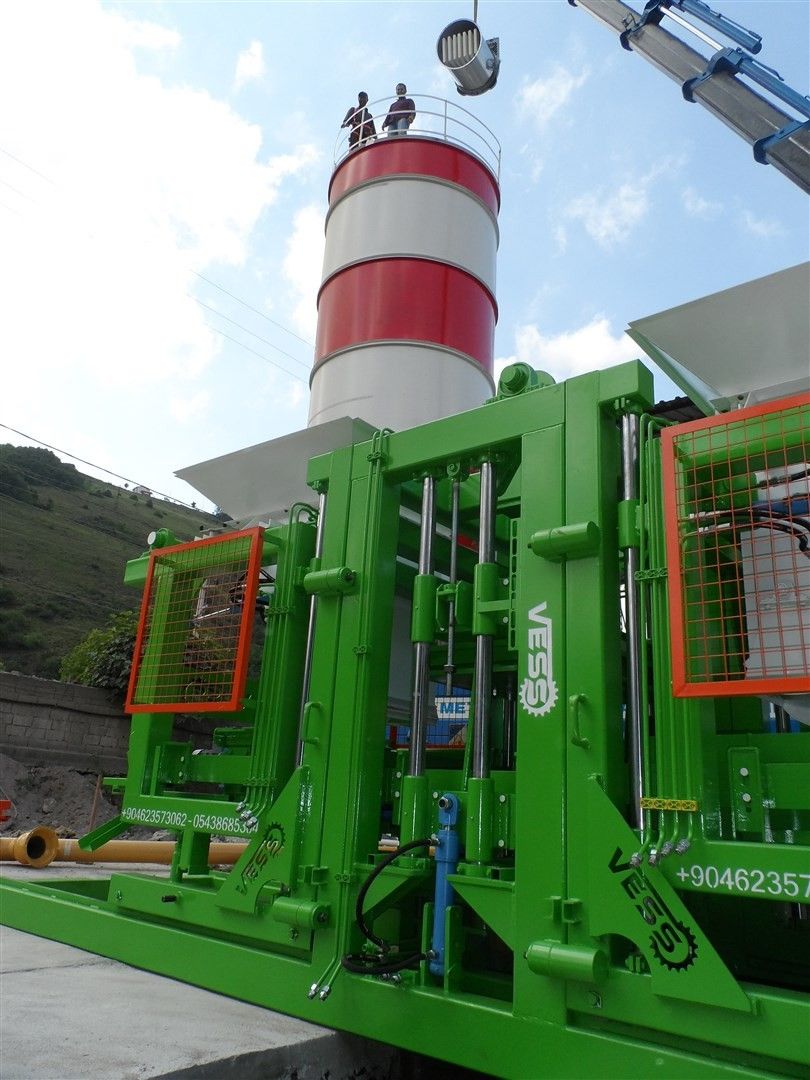
(Automatic)
91.8% preference rate
(Automatic)
90.2% preference rate
(Fully automatic)
89.3% preference rate
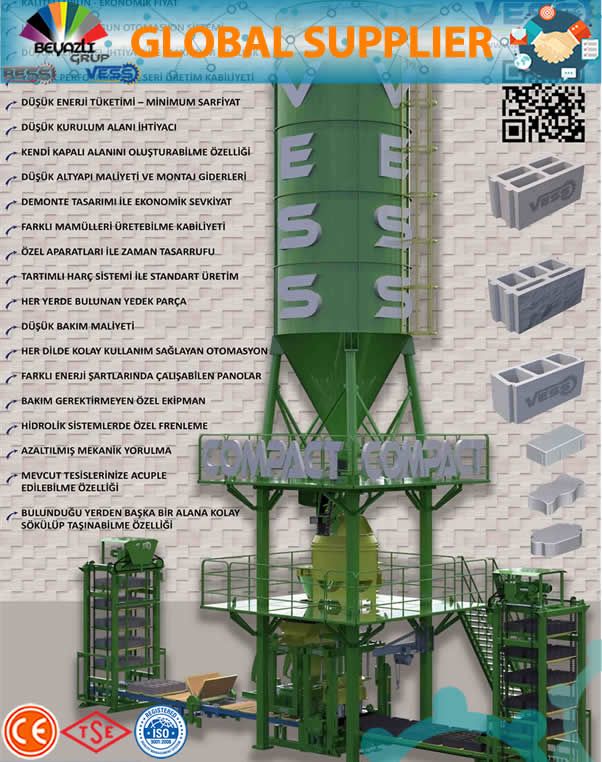
5.1 – Production of 6.000 concrete blocks per day (Compact Avantgarde)
88.2% preference rate
(Fully automatic Finger Car)
85.6% preference rate
(Fully automatic Finger Car)
85.5% preference rate
Presales Services
* Information and free consultancy support.
* Sample production test.
* Factory visit.
After-sales Services
* Free operator and personnel training.
* Rapid service within 48/72 hours.
* Machine operation training.

* Economical prices and low investment costs
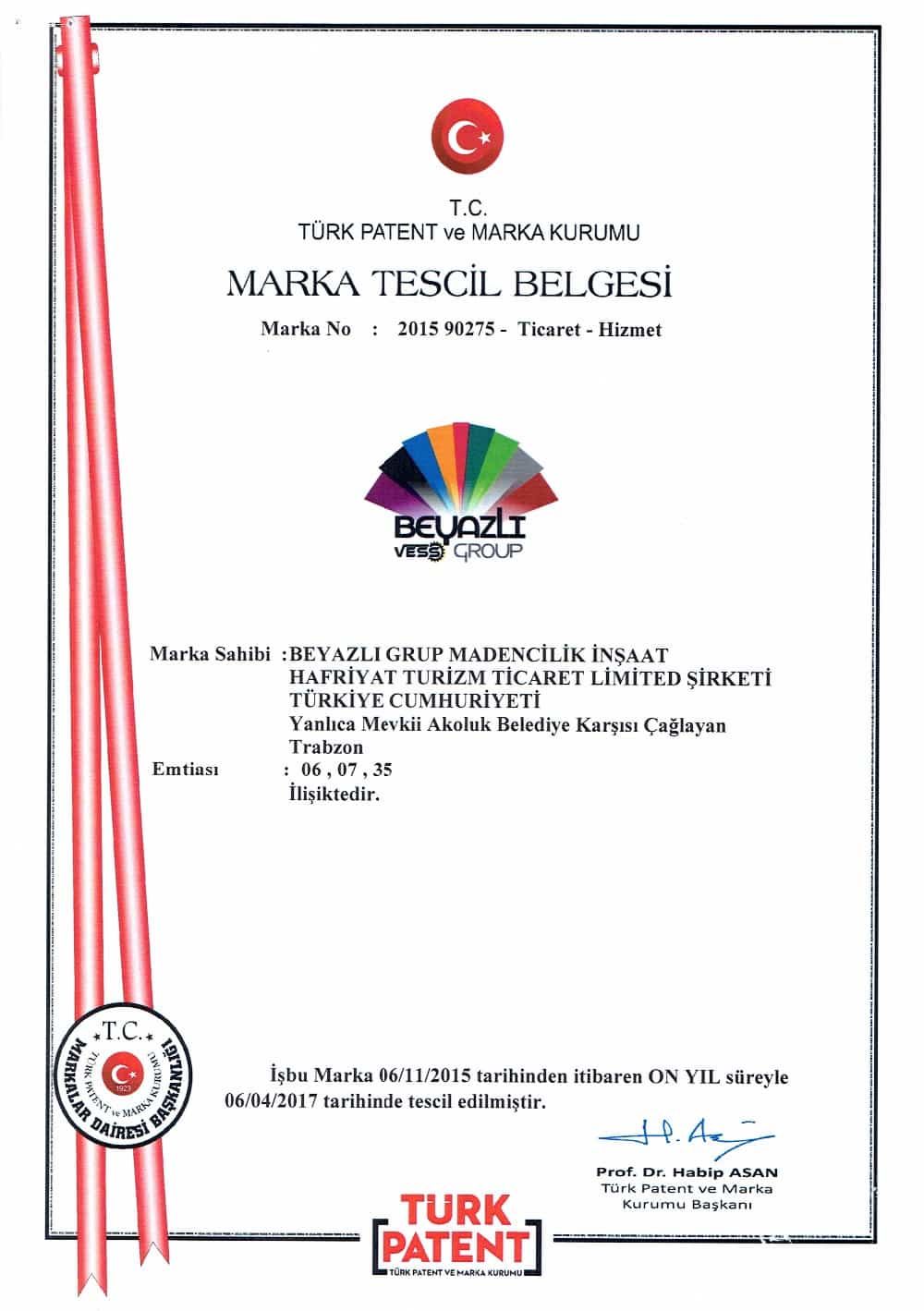
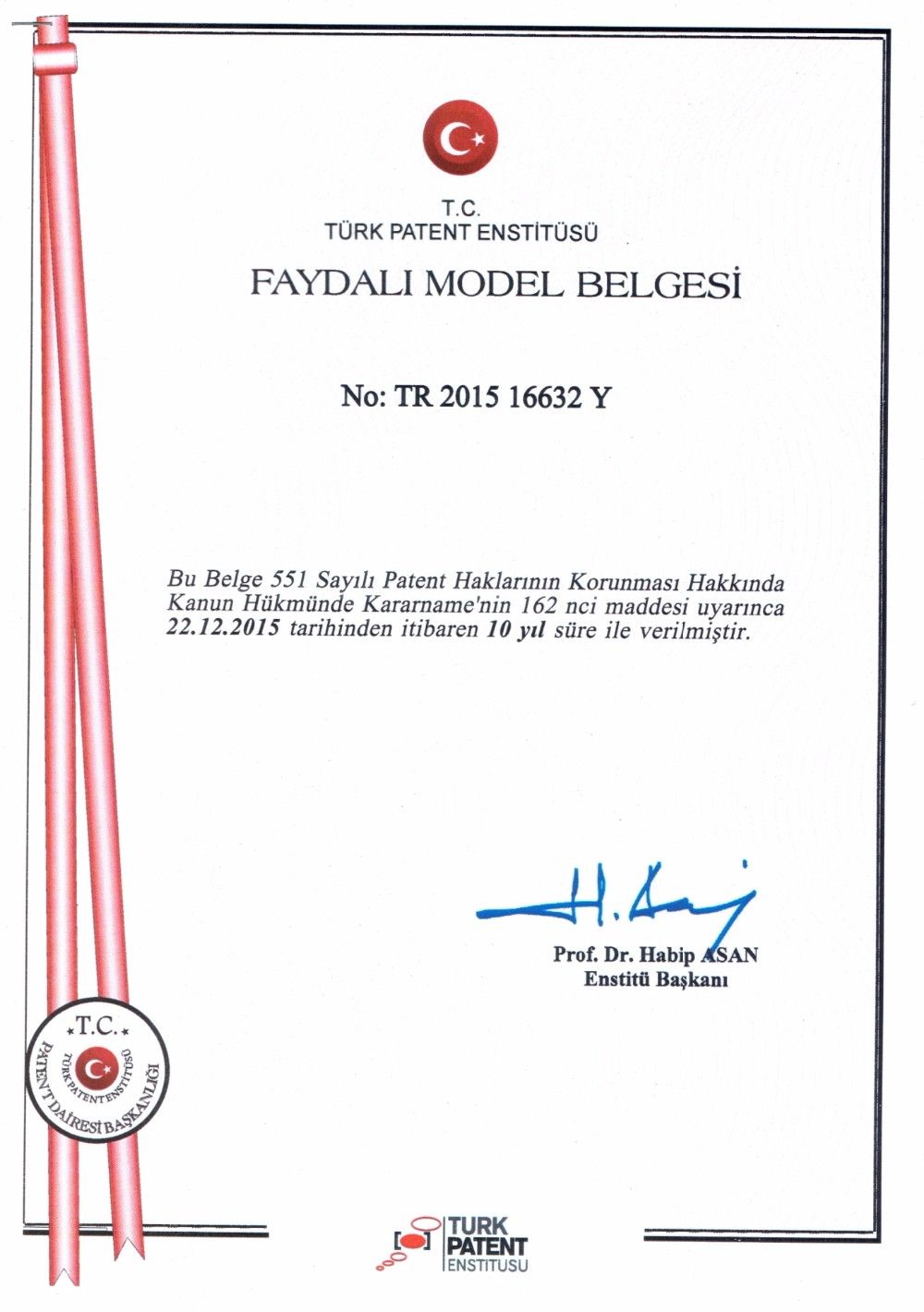
We developed patented designs in response to manufacturers that focus solely on high profit margins and try to sell equipment that is unnecessary at the outset. By removing equipment that is not required to begin production, we reduced initial investment costs. Our modular equipment lets you invest gradually as you earn and as demand grows. The special design also avoids the cost of equipment such as additional conveyor belts and cement screws that other manufacturers’ plants require.
 |
 |
* High production capacity
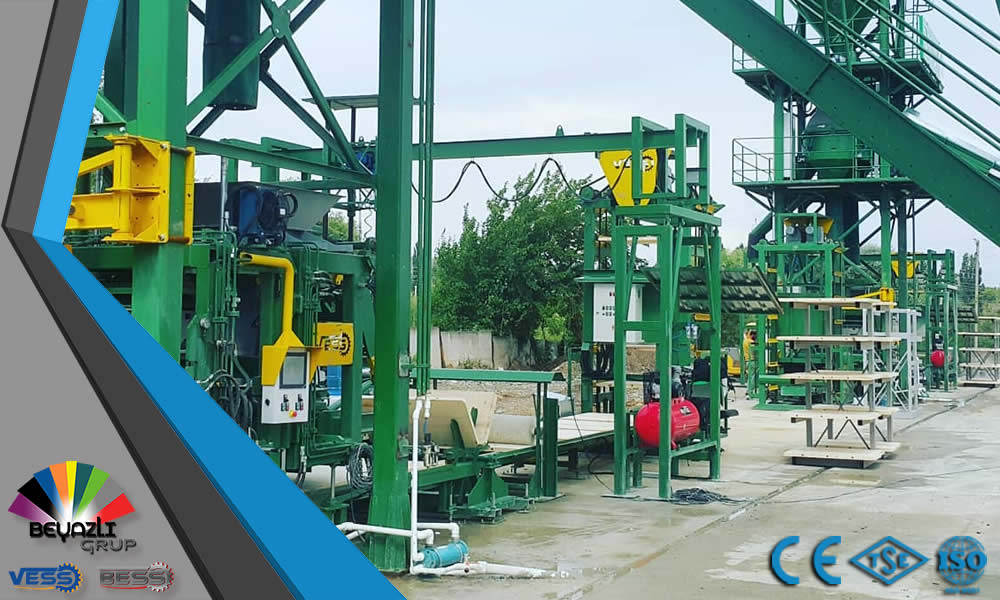
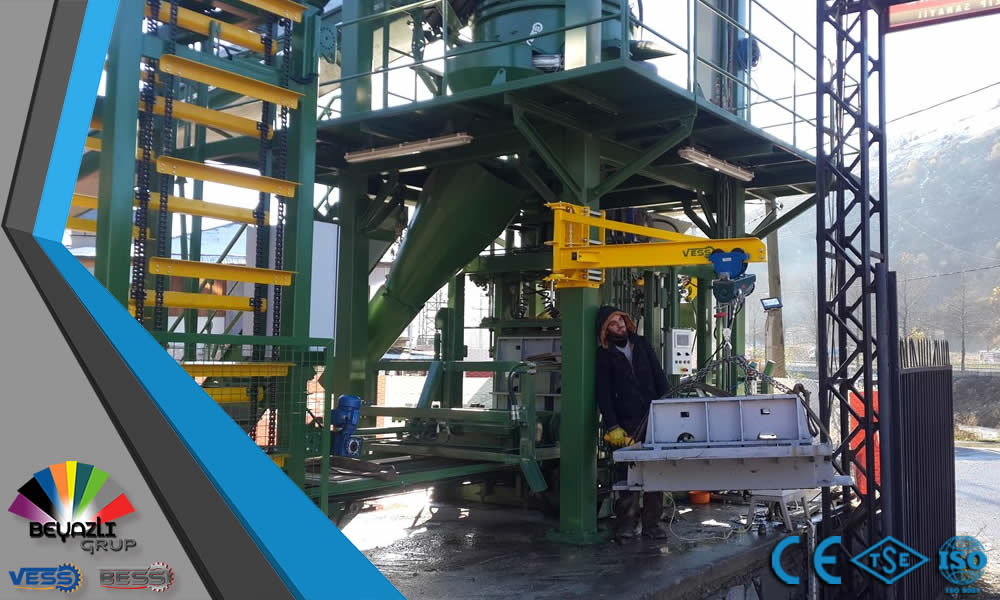
Production capacity is a major factor in labour costs. We designed the commands required at each stage of production to be computer-controlled. Compared with manually controlled systems, this eliminates pauses and waiting times, allowing faster production and higher output.
 |
 |
* Low energy consumption and minimal operating costs
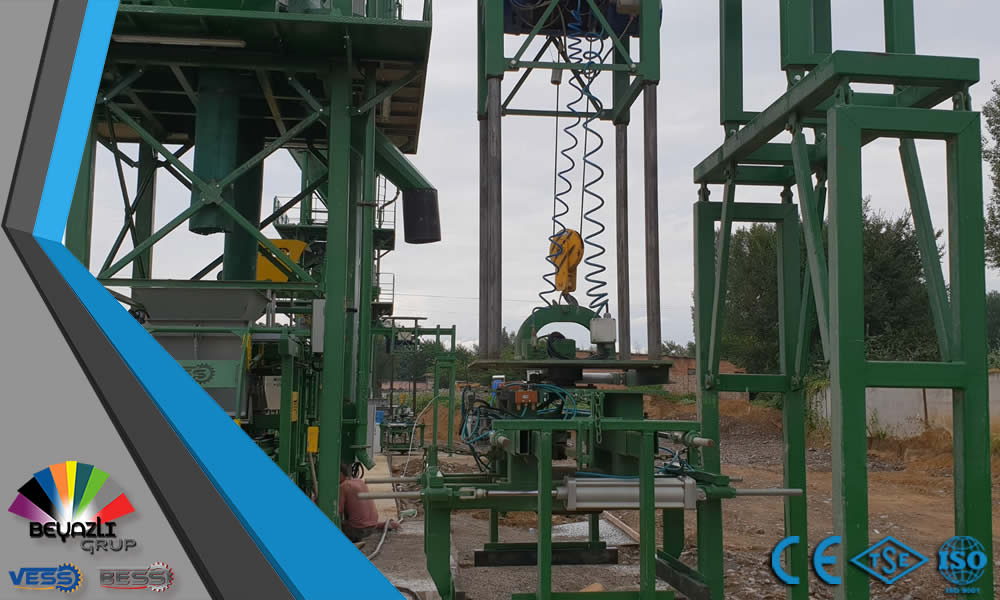
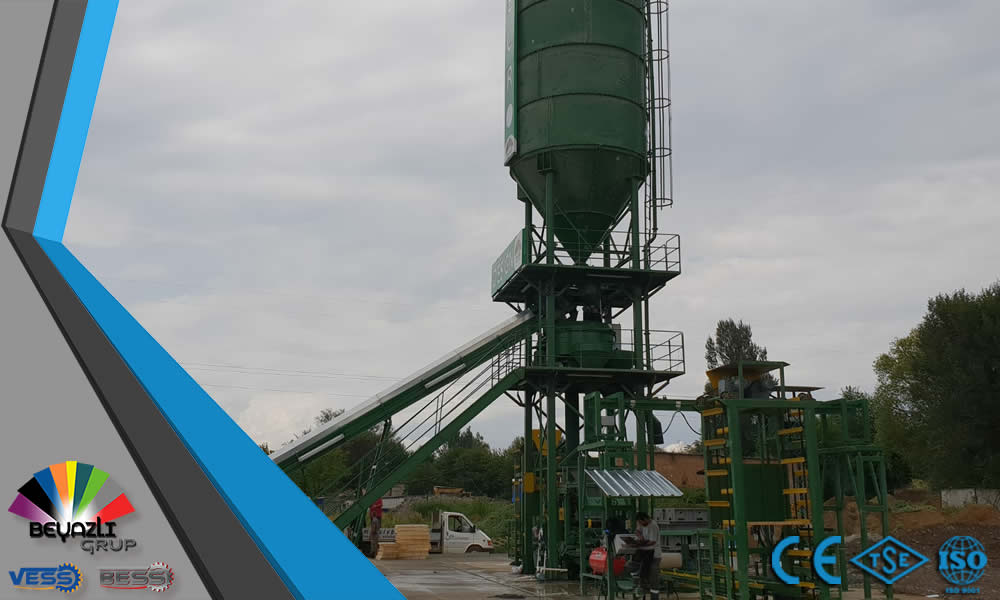
Electricity is one of the largest production costs. We use special motors that draw low current while delivering high performance. With a total power requirement of 26 kW at 50–60 Hz, the machines are described in the source as having the lowest energy consumption in their class, reducing the energy costs included in each product. Their stated consumption is 11 kW lower than that of the nearest competitor.
 |
 |
* Upgradeable product quality through modular components
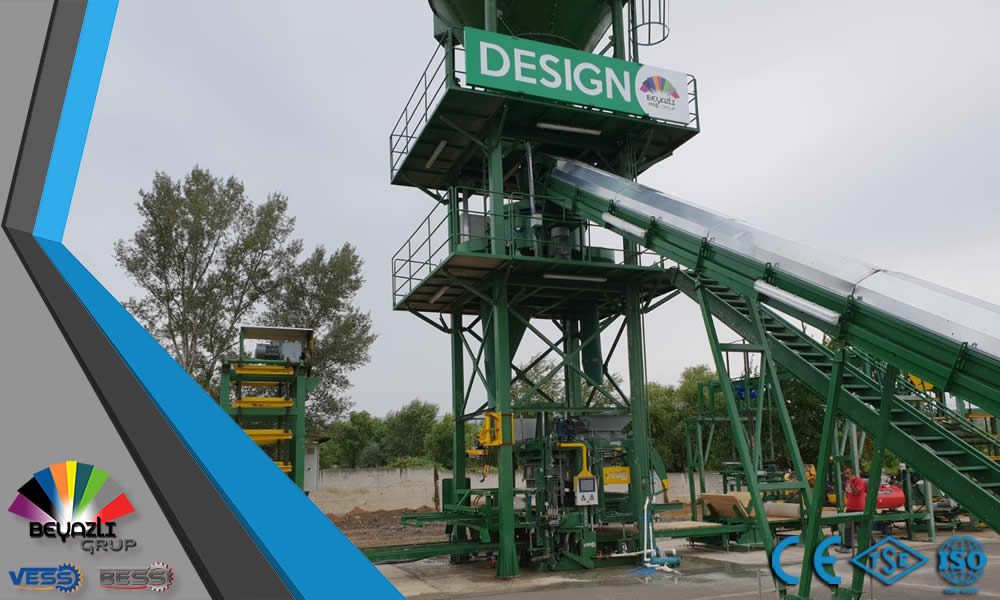
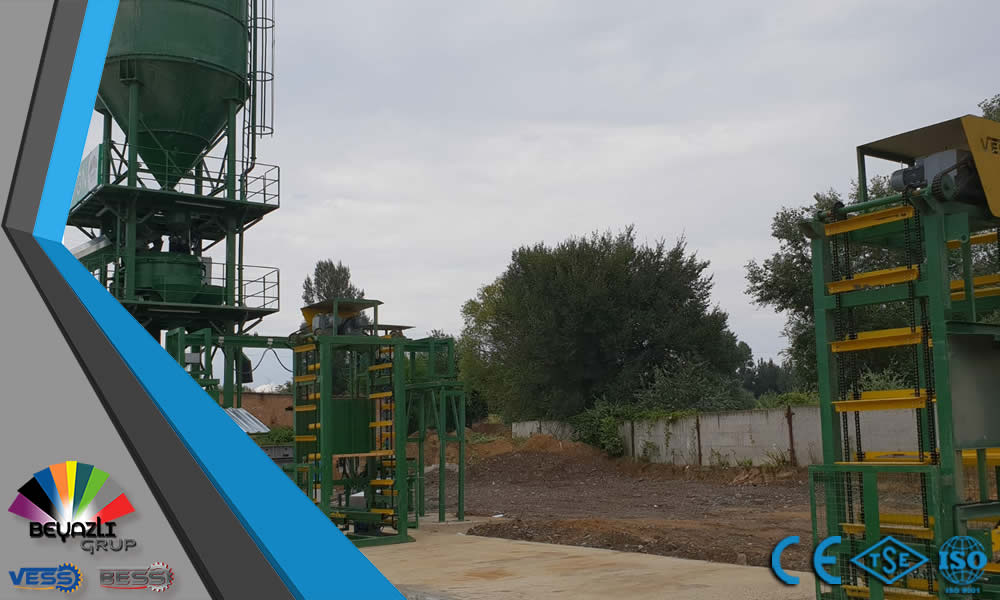
Some competitors try to sell numerous components as essential for starting production, substantially increasing the initial investment. We instead manufacture a base model with optional modular equipment that can be added later when needed. The plant is designed to operate smoothly without these extras, allowing you to invest further as you earn.
 |
 |
* Automation software that is easy to use in different languages
When manufacturers program control panels in only one language, operators who must use a foreign language can work more slowly and make more mistakes. We program our panels to support the language of each destination country. This allows operators to give commands easily, while the simple design supports fast, trouble-free production.
* Electrical panels suited to the power conditions of each country
Standard, one-size-fits-all panels may fail to adapt to local operating conditions or deliver the expected performance. We developed a new generation of dedicated panels that tolerate environmental conditions and dusty settings and accommodate different power specifications. For example, a system installed at a location with a 60 Hz electricity supply must be compatible with that frequency.

Share a question, add your experience, or continue the discussion about this topic.